






Mental health has become one of the defining public conversations of modern life, with discussions once reserved for moments of crisis expanding into necessary discourses about emotional wellness and personal growth. Yet according to therapist Hilda Hernandez, founder of Milestone Psychotherapy, LCSW., P.C., growing awareness is only part of the story. Representation and human connection still encompass critical gaps, especially within immigrant and minority communities.
“The myth that you only go to therapy if you’re mentally ill is simply not true,” Hernandez says. “People want to be educated, they want to understand themselves and feel validated.”
Drawing on more than 40 years of experience serving underserved populations, Hernandez has witnessed a significant shift in attitudes toward therapy. She observes people increasingly because they want to understand themselves better and process life’s challenges productively and healthily.
Today, one in five adults in the United States experiences a mental health condition each year. Additionally, studies have found that immigrants often face additional psychological pressures linked to acculturation, discrimination, language barriers, and social isolation. Hernandez believes those realities deserve far greater attention (Project STRONG-Supporting Transition Resilience of Newcomer Groups)
Immigration, she argues, is often viewed through an economic or political lens, while its emotional impact receives far less recognition. “You’re leaving your home to come to a new country, and you’re trying to adapt to a completely different environment,” she explains.
According to her, many individuals she works with arrive carrying a lot more than suitcases. She points to feelings of uncertainty that often accompany the transition. Meanwhile, Hernandez adds that questions about identity can become increasingly complex as pressures to assimilate can create tensions about preserving cultural integrity while adapting to new social expectations.
Hernandez sees clients wrestling with guilt, isolation, and a lingering sense that they do not fully belong. “People are trying to fit into their new environment while still holding onto who they are,” she says.
Therapy, she explains, provides a space where those experiences can be explored without judgment. Hernandez views that process as increasingly imperative because many minority families spend years suppressing emotions while focusing on survival.
“Everyone has a story,” she says. “And every story deserves to be heard and validated.”
In her view, this validation becomes especially important when confronting the misconception that immigrants lack education or professional skills. Hernancez notes that such erroneous beliefs are ones she encounters regularly.
According to Hernandez, many of the people she serves were highly accomplished in their countries of origin. They were skilled professionals. However, upon arriving in the United States, many found themselves working in positions unrelated to their expertise while attempting to rebuild their lives from the ground up. The emotional impact of that transition can be profound. “You were someone in your country, then you come here and have to start all over again,” she explains.
Mental health challenges can become even more complicated for families caring for children with developmental diagnoses such as autism or ADHD. Hernandez has spent decades supporting parents who feel overwhelmed by healthcare systems, educational requirements, insurance limitations, and lengthy waiting lists.
Many families, she notes, face these challenges while navigating a language they do not fully speak and systems they do not fully understand. She says, “A lot of parents don’t know how to navigate the process. They don’t know where to go or who to ask. It’s an unwinnable battle for them.”
Children living in under-resourced communities often face additional hurdles due to limited specialist availability and unequal access to developmental services. Hernandez believes quality healthcare and educational support should be available regardless of economic circumstances, race, or immigration status. “Everybody should have access to services, and everybody should be treated equally,” she posits.
Access alone, however, does not guarantee success. Hernandez believes people thrive when they have someone who believes in them, whether it’s a mentor, teacher, therapist, or a trusted advocate. When a connection fosters, she argues, it often becomes the turning point. “I became a social worker because a social worker helped me through a crisis,” Hernandez recalls. “She became my mentor, and she stayed in my life.”
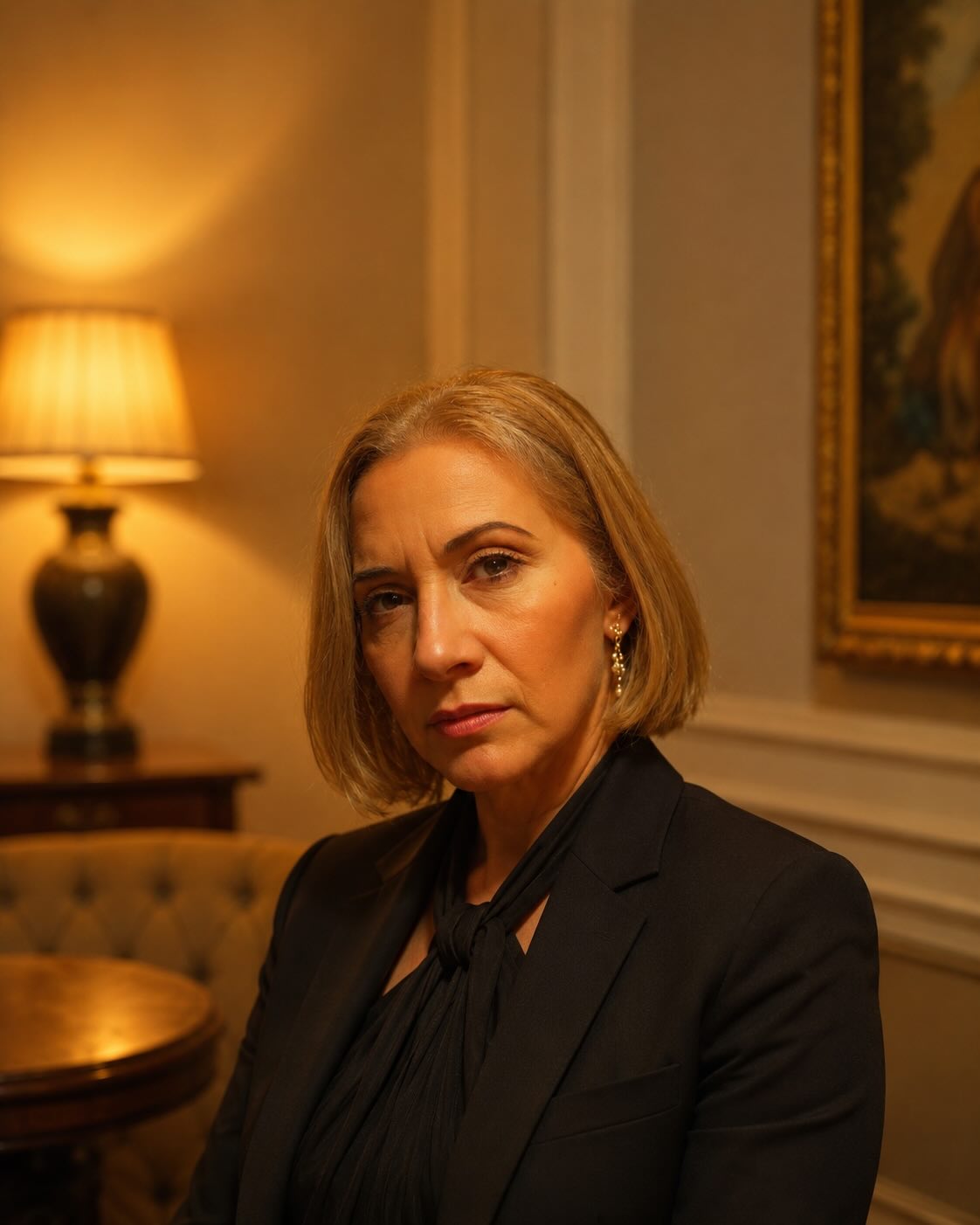
Her own journey reflects the power of representation. Raised in an underprivileged environment, Hernandez became a first-generation homeowner, high school graduate, college graduate, postgraduate holder, and business owner. According to her, seeing someone with a similar background succeed can reshape a person’s belief in what is possible. “The difference between my client and me is just the chair where I sit. When people see someone who looks like them succeed, they begin to believe they can succeed too,” she says.
Family support plays an equally important role, yet Hernandez notes that economic pressures have transformed traditional support systems. She highlights the growing number of immigrant parents working multiple jobs. As those support networks become fragmented, intentional connection can become increasingly important. Hernandez believes genuine check-ins and interactions help children build confidence while creating emotional safety for entire families.
She also sees an opportunity to use social media differently. Such platforms often amplify fear and division, particularly around minority communities. Hernandez believes digital platforms could have a far greater impact if they highlighted resources, opportunities, community programs, and stories of perseverance.
Social tensions and uncertainty will continue to shape the experiences of minority families. In that context, Hernandez believes mental healthcare has a critical role to play during periods of change, helping people shift from feeling overwhelmed to feeling empowered.
“Therapy is a measurable or observable achievement that demonstrates emotional well-being, coping skills, self-awareness, symptom management, and overall functioning,” she says.
Every person, regardless of background or immigration status, deserves the opportunity to feel heard, she highlights, “people find strength when they know they are not facing life’s challenges alone.” Hernandez has spent four decades proving that sometimes the most powerful form of healing begins with exactly that.