







As sustainability rises to the forefront of global business practices, supply chain leaders are under increasing pressure to incorporate green initiatives and ethical sourcing across their networks.
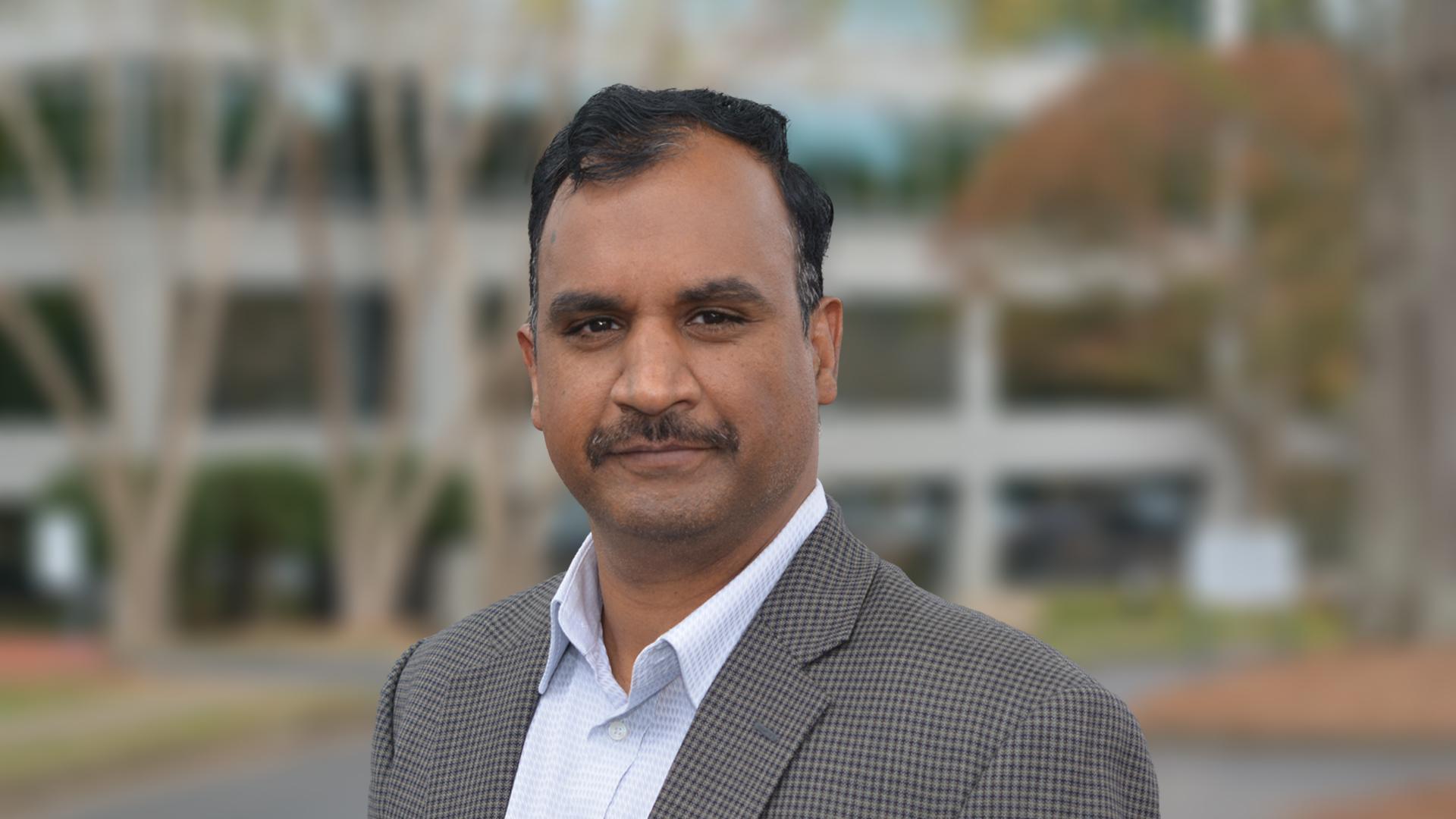
Manikandan Natarajan, a seasoned SAP (Systems, Applications, and Products) supply chain architect at Denken Solutions, is helping organizations embrace sustainable and ethical practices using advanced SAP technologies. With nearly two decades of experience in supply chain architecture, Natarajan’s work is shaping the future of global supply chains so businesses can meet environmental and ethical standards while boosting operational efficiency.
The Growing Importance of Sustainability in Global Supply Chains
The demand for sustainable practices has never been greater. Business leaders worldwide are recognizing the need to minimize environmental impact, with consumers, regulators, and investors all pushing for eco-friendly and ethical practices. In the realm of the supply chain, this means implementing strategies that reduce carbon footprint, ensure ethical labor practices, and promote sustainable sourcing.
Companies are not only aiming to meet regulatory requirements, but they also need to align with consumer expectations for transparency and responsibility. Natarajan’s expertise in SAP-driven sustainable solutions allows organizations to meet these demands, setting new benchmarks in the industry.
Manikandan Natarajan’s Role in Leading Sustainable Supply Chain Initiatives
Manikandan Natarajan has built an impressive career in supply chain architecture, specializing in digital transformation through SAP solutions. Starting in 2005 as an SAP technical consultant, Natarajan quickly moved into supply chain architecture and now plays a leading role in sustainable initiatives at Denken Solutions.
He was recently recognized for his leadership in IT by the Fortune Leadership Awards, and has led numerous projects that drive cost savings and operational enhancements through technology. His expertise is particularly relevant in today’s climate, as he integrates SAP tools to help companies achieve environmental goals while upholding ethical sourcing practices.
Through tools like SAP EHS (Environment, Health, and Safety) and SAP Ariba, businesses can track carbon emissions, manage resources effectively, and comply with ethical labor standards across supply chains.
Implementing SAP Tools to Drive Green Supply Chain Management
SAP’s technology suite provides a robust platform for sustainable Supply Chain Management (SCM), and Manikandan Natarajan is at the helm of these advancements. He uses SAP EHS and SAP Ariba to enhance supply chain transparency and accountability, empowering organizations to understand and control their environmental impact.
SAP EHS, for instance, enables companies to monitor and reduce carbon emissions throughout the production process, while SAP Ariba supports sustainable sourcing by facilitating supplier assessments and managing risk. Additionally components such as SAP’s environmental compliance software helps organizations stick to a number of compliance-based issues, such as environmental regulations, managing hazardous materials, and reporting on sustainability metrics. Natarajan has successfully implemented these tools in several industries, where they have been instrumental in reducing waste and optimizing resource use. For example, a global manufacturer using SAP Ariba and EHS tools was able to track emissions data in real-time, adjust their practices, and cut down on waste. This integration of SAP solutions has set the groundwork for companies to adopt green supply chain models and make informed decisions that benefit the environment.
The Ethical Sourcing Imperative: How SAP Supports Compliance
Ethical sourcing is a crucial component of sustainable supply chains as it ensures all materials and products come from responsible suppliers. Tools like SAP Ariba help companies trace the origins of materials and monitor compliance with labor standards. This level of transparency makes sure companies can confirm their supply adheres to ethical and sustainable practices.
Under the guidance of Natarajan, SAP Ariba has been used effectively to streamline supplier management with tools that provide real-time data on supplier performance. This not only helps with ethical standards but is pivotal in building trust through transparency, from raw materials to the final product. For example, a food and beverage company leveraging SAP Ariba can trace its supplier practices, ensuring fair labor standards in addition to environmentally responsible sourcing.
The Future of Sustainable Supply Chains with SAP Technology
Looking ahead, Manikandan Natarajan envisions a future where supply chains become increasingly agile, resilient, and adaptable to changing environmental demands. With SAP Integrated Business Planning (IBP) for real-time demand sensing, Natarajan helps companies respond to fluctuations in consumer demand more efficiently.
This approach proved invaluable during the COVID-19 pandemic as businesses needed to adjust their supply chain operations in response to unprecedented disruptions. Natarajan’s vision for SAP technology extends to supporting a circular economy, where resources are reused and waste is minimized.
The SAP Responsible Design and Production tools allow companies to map out their entire supply chain, tracking material resources and ensuring compliance with sustainability standards. For example, a paper manufacturing company using SAP tools can verify that its suppliers meet environmental standards, helping to reduce its carbon footprint and meet stringent regulatory standards through the following methods:
Real-Time Demand Sensing and Forecasting
Traditional forecasting methods often fall short during rapid shifts in demand. SAP IBP ensures companies can leverage data from sales points, social media, and other external signals to adjust forecasts in real-time. For example, a beverage company used this approach to successfully manage demand fluctuations during peak seasons, preventing stockouts and reducing inventory costs.
Sustainability and Circular Economy with SAP Responsible Design and Production
This tool allows companies to adopt circular economy principles by tracking resource use and promoting responsible production, which is particularly impactful in industries like paper and plastics, where minimizing raw material usage and reducing waste is critical. A major player in the paper industry used SAP’s technology to optimize sourcing and recycling practices, which reduced its environmental footprint.
Resilience through Multi-Source Supply Chain Networks
To mitigate risks associated with single-source dependencies, SAP Ariba enables multi-sourcing strategies. By diversifying their supply base, companies become more resilient against disruptions. A pharmaceutical company utilizing SAP was able to mitigate supply risks by dynamically sourcing from multiple suppliers, ensuring continuity even during global supply chain challenges.
Advanced Analytics and AI for Predictive Maintenance
Downtime from equipment failure can impact production. SAP’s AI-powered Predictive Maintenance and Service tool enables companies to monitor equipment health and schedule proactive maintenance. This is particularly important in industries like manufacturing, where this technology has reduced maintenance costs and extended equipment life cycles.
Cybersecurity and Data Compliance in Supply Chain Management
With digitalization on the rise, data compliance and cybersecurity are critical. SAP’s integrated security features provide real-time monitoring and compliance reporting, ensuring companies in regulated industries remain secure and compliant. A healthcare organization utilized the compliance features of SAP S/4HANA, an ERP (Enterprise Resource Planning) system, to protect patient data, maintaining compliance and trust within the supply chain.
As businesses worldwide embrace sustainability and ethical sourcing, SAP technology offers powerful tools to support these goals. Leaders seeking to make supply chains greener and more accountable can benefit from connecting with experts like Manikandan Natarajan, who is at the forefront of this digital transformation. SAP’s suite of sustainability solutions enables companies to measure their environmental impact, optimize resource usage, and ensure compliance with evolving regulations and make data-driven decisions that align with their sustainability objectives.
Through SAP’s advanced capabilities, supply chains will not only evolve to meet today’s challenges, but also build a more sustainable future.