






In recent years, the overregulation and possible weaponization of the banking industry has come to light. Journalists have highlighted discriminatory practices faced by businesses and individuals, encouraging the public to take a deeper look into these legally protected practices. Account closures have been a longstanding problem for stigmatized industries such as crypto, cannabis, and adult entertainment. Victims of these incidents are usually perceived as guilty, even in the absence of evidence. Legal proceedings and media slander are just a few things that may cause a bank to drop a client due to perceived risk.
This article will explore the devastating social and financial impacts of banking discrimination on American innovation and competitiveness. Larger, more established businesses may be able to weather this harassment, but smaller businesses can rarely survive.
The unethical treatment of individual and business accounts in the case of perceived guilt or risk is a glaring issue, highlighting how bias permeates into society’s most critical infrastructure. Without necessary interventions, the banking industry may begin gatekeeping products and services from the market and preventing individuals from accessing financial services.
Historically, the ethical transgressions of banks have been well-documented. Since their inception, these financial institutions have provided little transparency about actions that affect the security of millions. They’ve been proven to deny loans and services to customers with specific racial backgrounds, also known as redlining. Banks have continuously taken advantage of minority borrowers, issuing loans with higher interest rates. They have also denied applicants credit based on their race, religion, or gender.
Account closures are a growing issue since banks are not required to offer justification, leaving customers confused and without the financial services they need.
These concerning behaviors are sometimes tied to government influences on the American banking system. Their presence is meant to prevent financial crimes, but corruption is always possible. After Elon Musk purchased Twitter, he said that the US government paid the company to censor posts. While this is an allegation, it suggests that the government controls public entities more than one may assume.
Businesses encounter financial discrimination in a variety of circumstances. Cryptocurrency companies have faced the brunt of these issues because of the perceived risk of digital assets. Numerous banks have refused to work with cryptocurrency exchanges Binance and Kraken because of regulatory compliance concerns about the volatility of crypto. These roadblocks have forced these companies to jump from one financial institution to another when their accounts are closed without warning. This increases their need to use cash-only transactions and ultimately inhibits the cryptocurrency industry’s evolution.
Possibly, one of the most intriguing cases of financial discrimination happened to OneTaste, a holistic wellness startup teaching a controversial but perfectly legal meditation practice known as Orgasmic Meditation (OM). In 2018, the FBI started investigating OneTaste for crimes following the publication of an article alleging abuse and coercion of its customers and some staff. The six-year ongoing investigation into OneTaste has been fuelled by ongoing criticism in the media, though the company has neither been indicted nor convicted of any charge. Yet, the company was still a target of financial discrimination. Even though the company has undergone several IRS audits, none of which has revealed any financial misconduct, OneTaste still faces ongoing banking challenges. They have documented this ‘reputational black hole,’ explaining how more than 50 financial institutions have suspended their accounts.
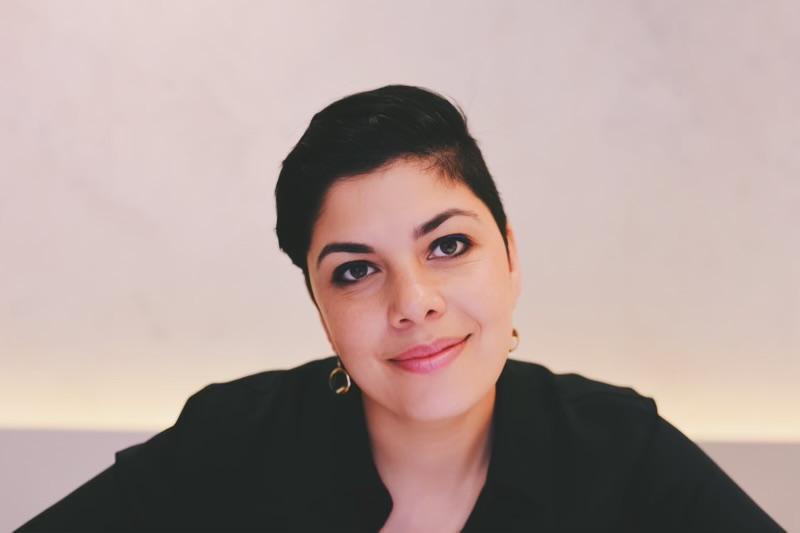
“Since this FBI investigation started six years ago, I’ve been forced to spend hundreds of thousands of dollars and countless hours of staff’s time attempting to seek financial services with no avail. Despite never being charged with a crime, OneTaste has been blacklisted by some of the most respected financial institutions,” says OneTaste CEO Anjuli Ayer.
This narrative of banks preventing consumers from accessing vital financial services raises questions about overlooked injustices exacerbated by government interference in private organizations. In a country driven by small businesses and homegrown innovation, financial discrimination paints a depressing picture of what pioneering firms today are up against. If they initiate cultural disruption past what society is comfortable with, they will not only be a target of the media but may be denied essential services to survive. Banks are also likely to side with fabricated allegations rather than offer services to paying customers who can prove their innocence. It is worth exploring why this phenomenon exists and what can be done to protect businesses of all sizes from this mistreatment.