




When you look at Amy Scott Rooker’s résumé, you see exactly what success is supposed to look like: two decades as a corporate attorney and tech executive, a JD and MBA, and a career built through discipline and forward momentum.
What the résumé doesn’t show is the weight she carried underneath it for decades—a childhood shaped by fracture and silence, a self quietly split in two from an early age, and an inner life she had learned to suppress so thoroughly it nearly disappeared.
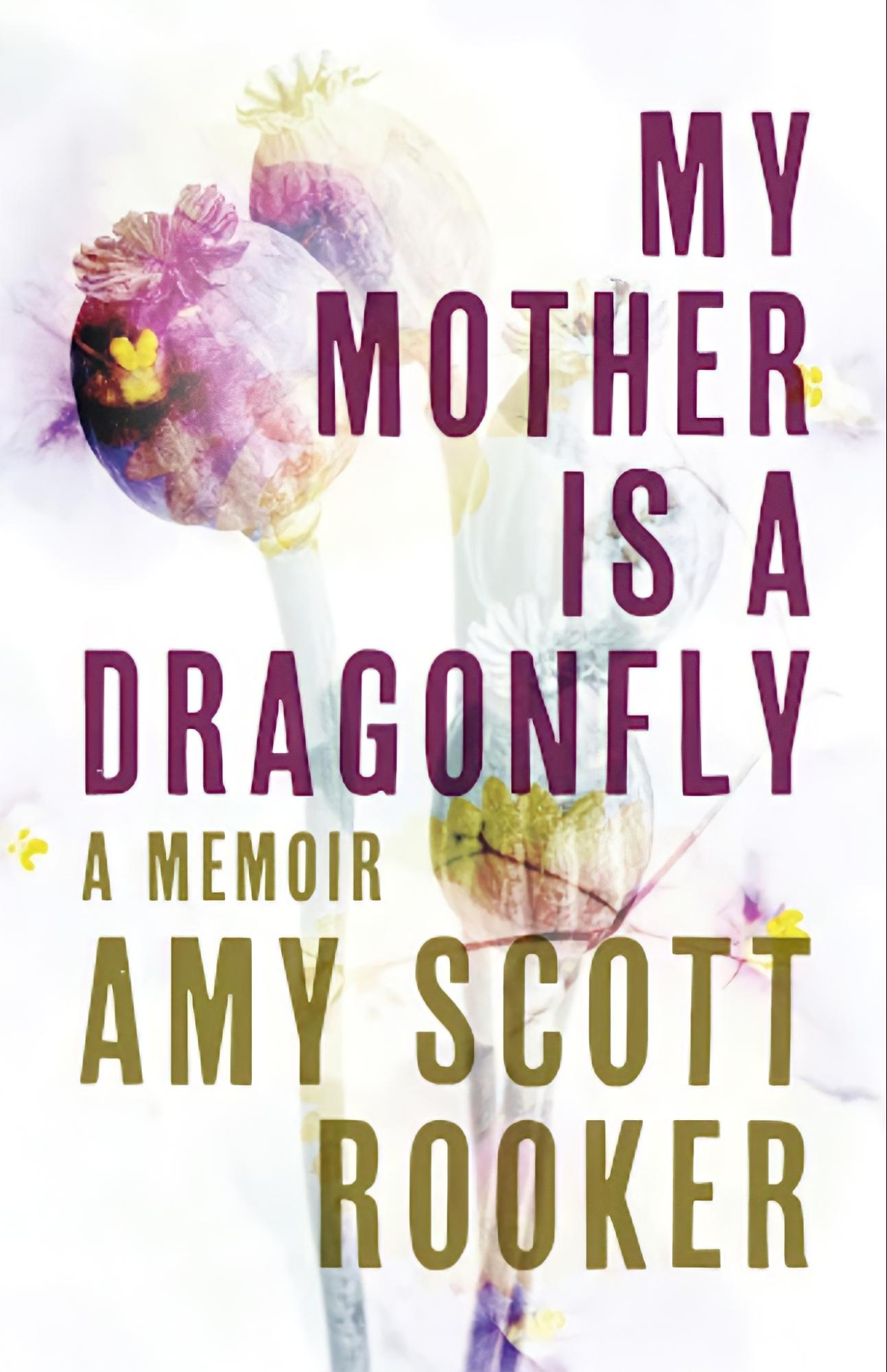
Rooker’s debut memoir, My Mother Is a Dragonfly, tells the story of how the version of herself she exiled to survive slowly began to reappear. It is a trauma-healing memoir rooted not in ease or revelation, but in the kind of grief and reckoning that arrives when the structures we’ve built around our pain finally run out of room to hold it.
She writes with the hard-won honesty of someone who has lived through deep harm and emerged carrying a message. For readers navigating their own questions about identity, healing, and what it means to come home to themselves, that authenticity creates a rare sense of recognition.
The Split Between Success and Self
Long before the law degree and corporate titles, there was a girl learning the rules of survival inside her family system.
When Rooker was fourteen, she was sexually assaulted by a family member. When she told her mother, her mother said the unimaginable and turned away. In that moment, Rooker learned she was on her own to protect herself.
Childhood trauma does not always leave visible marks. Sometimes it works quietly, teaching a child which parts of herself are welcome and which must be put away for safekeeping. For Rooker, survival meant learning how to perform the version of herself the world rewarded.
Over time, that performing self became formidable. She achieved her way through law school, built a career that took her into high levels of the tech industry, and maintained an outward life that appeared confident and composed from every angle.
But recovering from childhood sexual abuse eventually requires naming what that survival cost.
Beneath the achievements were an eating disorder, relentless perfectionism, and years of searching for external validation because the internal kind had never been available to her. The strategies that helped her survive adolescence had quietly hollowed out her adult life, and she carried that weight largely in silence.
The Catalyst of Loss
The turning point came when Rooker’s mother died.
Grief does not negotiate with the organized life we build around keeping it out. So when her mom passed away, the fragile equilibrium Rooker had maintained for years began to collapse. The possibility of acknowledgment, repair, or clarity around the past closed permanently.
What followed was not simply mourning, but a deeper destabilization.
The identity she had constructed through achievement and control began to fracture. The distance she had maintained from the earliest parts of her story could no longer be sustained.
For the first time in decades, the questions she had learned to live around demanded direct attention.
Opening the Door to Healing
This brought Rooker to psychedelics—specifically, shaman-guided journeys with psilocybin, the psychoactive compound found in “magic mushrooms.”
Rooker writes about these experiences with unusual restraint, describing them not as solutions but as catalysts. The journeys allowed her to access grief, compassion, and buried emotional pain that her defended mind had never been able to reach on its own.
Those journeys did not erase the past. Instead, they disrupted the narrative she had been living inside for decades.
What mattered even more was what came afterward. The deeper transformation unfolded through integration: therapy, reflection, meditation, and the daily work of confronting the patterns that trauma had set in motion. The identity collapse that followed was not only about loss. It was about what the loss dismantled—the fragile architecture of a life built on performance rather than truth.
When that structure gave way, there was finally space for something else to emerge.
Storytelling as Healing
One of the most compelling aspects of My Mother Is a Dragonfly is the role storytelling itself plays in the healing process.
Rooker did not write the memoir from a safe distance from her past. She wrote it from inside the process of reckoning. The act of writing became a way of assembling a coherent narrative from the fragments of a fractured childhood—naming what had happened, restoring meaning to experiences that had long been buried beneath silence and self-protection.
For readers carrying their own unspoken histories, that honesty creates an unusual sense of presence on the page. The memoir becomes not just a story about healing, but part of the healing itself.

Writing the Story Back Together
What distinguishes My Mother Is a Dragonfly from many books about trauma and recovery is Rooker’s exploration of pain not only as injury, but as a doorway.
She does not excuse harmful behavior. But she does examine the deeper patterns surrounding it—generational wounds, unspoken family contracts, and the ways silence allows harm to echo across time. In doing so, she begins to ask a harder question: whether suffering, however devastating, might also contain the seeds of awakening.
Rooker arrives at forgiveness only after moving fully through anger, grief, and reckoning. The recognition she ultimately reaches—that the people who hurt us are often shaped by wounds they themselves never resolved—does not erase what happened. What it offers instead is a different relationship to the past.
That is what an honest spiritual healing journey looks like on the page: not transcendence, but expansion. Not the erasure of harm, but a woman growing large enough to hold it without being defined by it.
Sharon Salzberg, the New York Times bestselling author and meditation teacher, describes the book as “an act of love—toward the past and the future alike.”
For readers navigating their own fractured family histories—or their own questions about identity, belonging, and what it means to stop performing and begin living more honestly—Rooker’s memoir arrives as both witness and invitation. A powerful account of healing and self-return, My Mother Is a Dragonfly meets readers where they are—while quietly asking whether their deepest wounds may contain an unexpected path back to who they might yet become.