




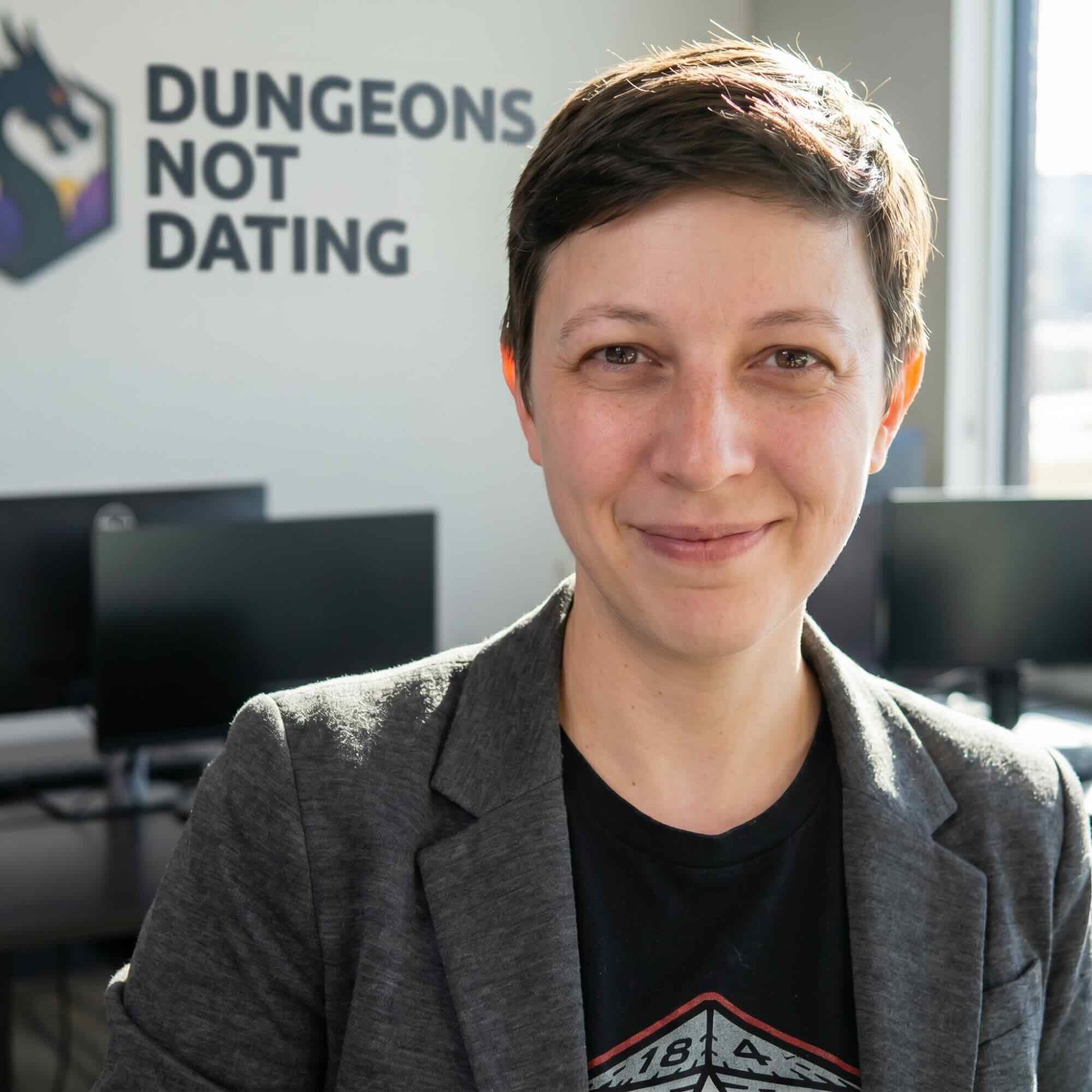
For Rachel Dove, founder of Dungeons Not Dating, a platform helping Dungeons & Dragons (D&D) players find values‑driven gaming communities, the idea of safe spaces is closely connected to queer history. “These environments have often offered room for belonging across generations,” she says. Her work reflects a core belief that meaningful relationships flourish when people are welcomed, respected, and given space to be fully themselves.
The idea of a safe space has evolved over time, according to Dove. Earlier generations often relied on coded language, shared symbols, and hidden networks to recognize people who understood their experiences. She says, “Today, safe spaces are typically created through communities of people who share values, interests, and a willingness to support one another.” Dove sees this evolution through her own work of creating environments where people can meet through a shared love of storytelling and discover communities where they can participate authentically.
Dove’s perspective comes from a journey that blends technology, entrepreneurship, and community building. After working in financial services, she transitioned into software development and created Dungeons Not Dating as a way to help address a challenge she experienced personally: finding tabletop groups where people could connect through shared expectations and mutual respect. Her platform reflects the idea that gaming communities can become meaningful gathering places, especially for those searching for connection.
This conversation about belonging has deep historical roots. “For many queer people, cultural touchpoints have served as pathways toward recognition and community,” Dove remarks. One example is The Wizard of Oz, which has been discussed as a significant cultural reference within queer history. Research explores how The Wizard of Oz has been interpreted as a queer text, highlighting themes of identity, transformation, and characters who exist beyond traditional expectations.
The phrase ‘friend of Dorothy’ became a coded expression used by some members of the queer community during periods when openness around identity could bring social and legal challenges. Coded expressions like this functioned as a way for community members to recognize one another while creating a sense of connection. “The story of Dorothy, a person who enters an unfamiliar world and finds companionship among a group of individuals who also feel different from their surroundings, resonated deeply with many people seeking acceptance,” Dove explains.
That connection between fantasy and belonging, Dove notes, has a parallel with tabletop role-playing games. In D&D, players create characters, explore new possibilities, and participate in collaborative stories where imagination becomes a shared language. Dove says, “A tabletop game gives people a place where they can explore who they are, try new things, and discover parts of themselves through creativity and connection.”
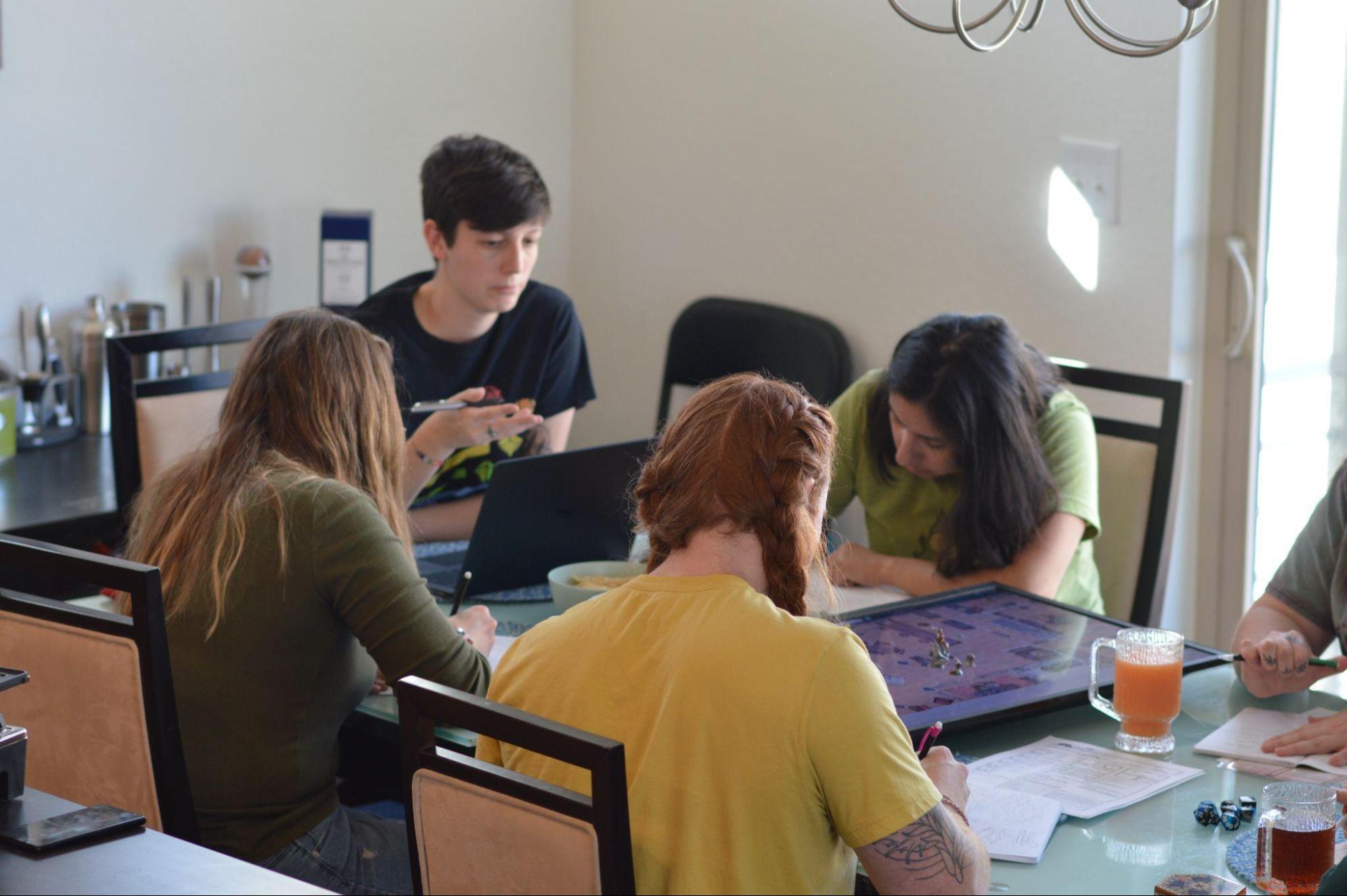
The experience can offer a different environment for identity exploration compared with everyday settings where people may still be discovering how they want to express themselves. Dove notes that experimenting with identity in professional or social environments can involve personal considerations and vulnerability. Within a role-playing setting, players can explore different names, personalities, and identities through characters without the same pressures attached to real-world situations.
Technology has also transformed how communities form. Digital platforms allow people to find others with similar interests across geographic boundaries, and usernames or aliases can provide a layer of privacy. Dove shares, “I believe that meaningful connection requires more than anonymity alone. A welcoming community also involves trust, acceptance, and the sense that people are valued for who they are.”
This philosophy guides Dungeons Not Dating’s design. The platform focuses on helping players connect through their gaming preferences, values, and creative interests. Instead of treating a gaming group as only a collection of players, Dove views it as a shared story where every participant contributes to the experience. “The goal is to help people find their community, not just a random group of players,” she says. “The right table can become a place where people build friendships and create memories together.”
Dove’s work also reflects a broader conversation around community care. She observes that some members of the queer community have expressed concerns that acceptance and inclusion can feel more uncertain during periods of social tension. For those who have experienced earlier periods of discrimination, current conversations may bring back memories of past struggles. These experiences highlight why spaces built around kindness, respect, and connection remain meaningful.
Through Dungeons NOT Dating, Dove continues a tradition of creating places where people can gather and find understanding. The same themes that made stories like The Wizard of Oz meaningful across generations, such as belonging, friendship, and the freedom to exist as oneself, can also appear in modern gaming communities.