







Dockworkers at every major East and Gulf Coast port are preparing to strike, potentially shutting down key U.S. trade gateways. Set to begin on October 1, the work stoppage would be the first since 1977 and could cost the U.S. economy between $14.5 billion and $27.5 billion per week.
The labor dispute, which has been brewing for months, revolves around wage increases, job security and automation. Dockworkers, represented by the International Longshoremen’s Association (ILA), are demanding a substantial wage increase of 77% over six years and stronger protections against automation. The United States Maritime Alliance (USMX) has offered a significant but smaller wage hike and concessions on the use of semi-automated equipment, but both sides remain far apart. Union leaders argue that the rising cost of living and the increased demand on workers during the pandemic require greater compensation.
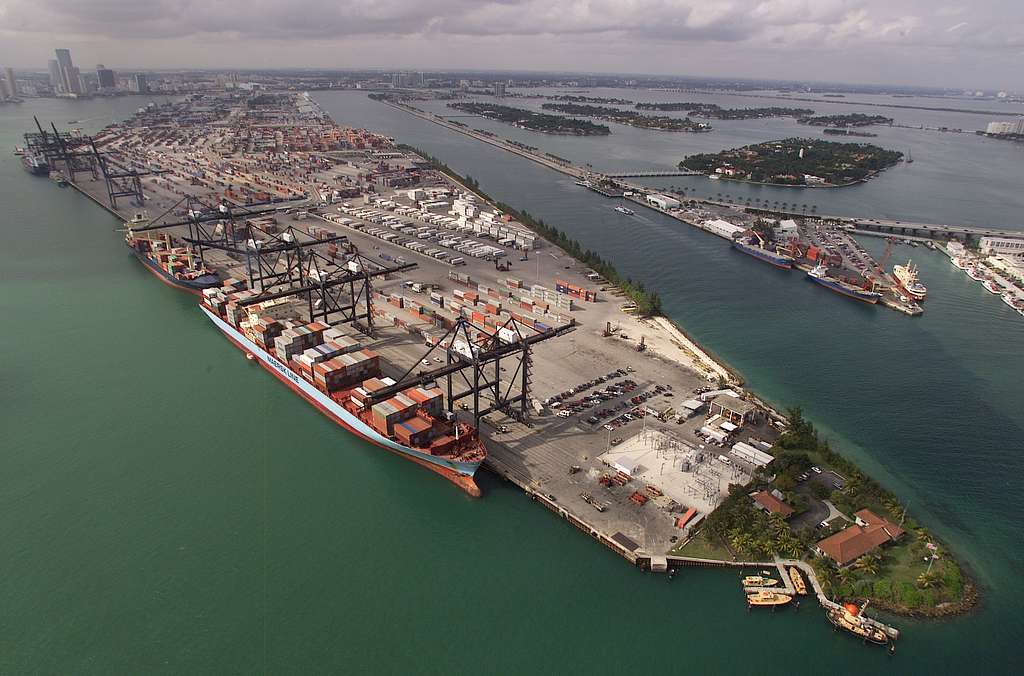
With both sides entrenched, the strike threatens to severely disrupt U.S. supply chains, especially at 14 major ports, including those in New York/New Jersey, Charleston, Savannah, and Miami, which handle over half of the nation’s containerized imports and exports. A shutdown would impact a broad range of industries, from manufacturing and construction to food and pharmaceuticals, potentially leading to shortages of key raw materials like cotton, copper, and fresh produce.

Experts warn that shipping costs will spike, likely impacting consumers by raising prices on everyday goods. Hooman Shahidi, CEO and co-founder of EVPassport, weighed in, stating, “Thousands of dockworkers who load and unload cargo ships could walk off the job tomorrow, and a strike could cost the economy $5 billion a day. We must give the ILA workers a contract that reflects their hard work and efforts.”
The economic fallout from a port closure could be catastrophic, with the effects rippling through the broader labor market. Over 100,000 workers connected to industries like trucking, warehousing, and manufacturing could face temporary layoffs.
Automation has emerged as one of the most contentious issues in the dispute. The ILA is pushing for a ban on the use of fully automated cranes and gates, fearing job losses if ports transition to automated systems. USMX has countered by offering to maintain limits on automation but says further restrictions would undermine port efficiency.
White House officials have been in contact with both parties, and the administration is pushing for a swift resolution without direct federal intervention. However, business leaders, including Joshua Bolten, CEO of Business Roundtable, have expressed concerns about the strike’s impact, urging both sides to come to an agreement.
As the strike deadline approaches, the potential disruption to U.S. trade flows could have far-reaching effects. Even a short strike could cause months of backlog, delaying critical shipments of goods ranging from electronics to everyday groceries. If the labor dispute remains unresolved, the economic consequences could rival those of the West Coast port strike in 2015, which caused severe supply chain disruptions and contributed to global inflationary pressures.