








Look through Central Photo Company’s archive and the differences jump out first: the hemlines, the haircuts, the cameras that went from boxy swiveling things to tripods and gimbals. But keep looking. In every frame, the same thing is happening. People gathering in front of the great symbols of American democracy, holding still, hoping someone gets it right.
For over a century, Central Photo Company has been the right choice for millions of them. Central recorded the real people who came to Washington, D.C. Its photographers went looking for the life of the capital wherever it unfolded. For America’s 250th, the fourth-generation, 107-year-old company is moving again, returning to the crowd and the instinct that built it.
Central started by roaming
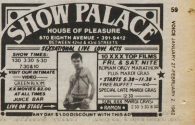
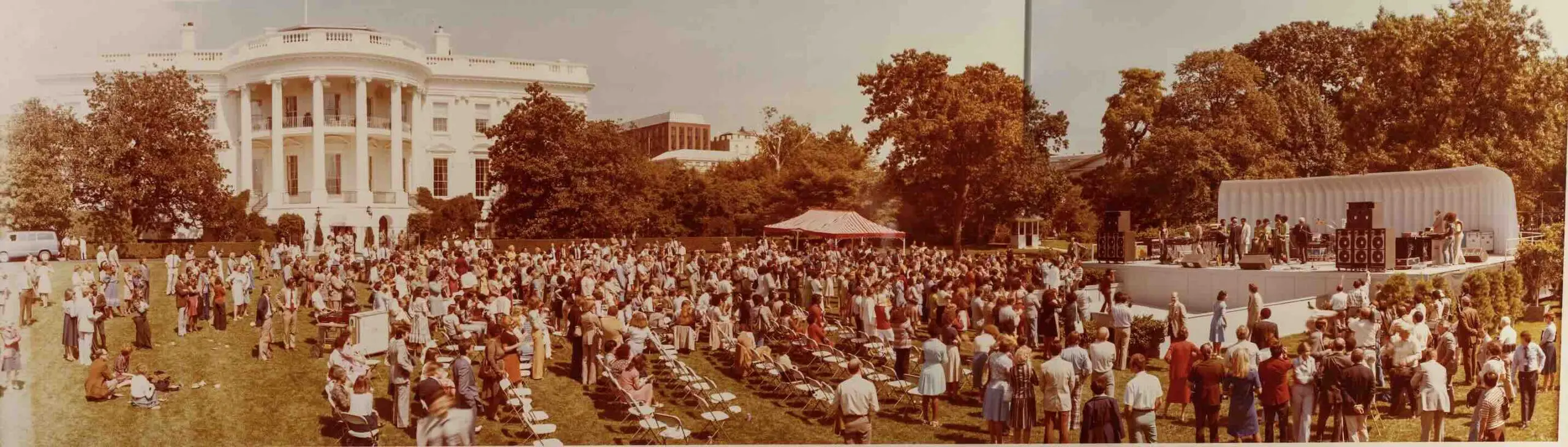
Central wasn’t always the fixed figure at the Grant Memorial band teachers and middle school principals know it for today. It began as something closer to a documentary habit, run by people who loved the technology as much as the pictures they made with it. Its photographers moved through the district and caught the images the city handed them. Harry Truman coming down the steps of the Douglas VC-118, “The Independence.” A portrait of John and Jacqueline Kennedy. Rooftop panoramas of the city. Backstage at sold-out theaters for Conway Twitty, Johnny Cash, Jerry Lee Lewis, and Loretta Lynn. Day-trippers pouring out of Union Station, rushing to see the Capitol for the first time. Wherever Central headed, the camera went too.
Then the fifties added something.
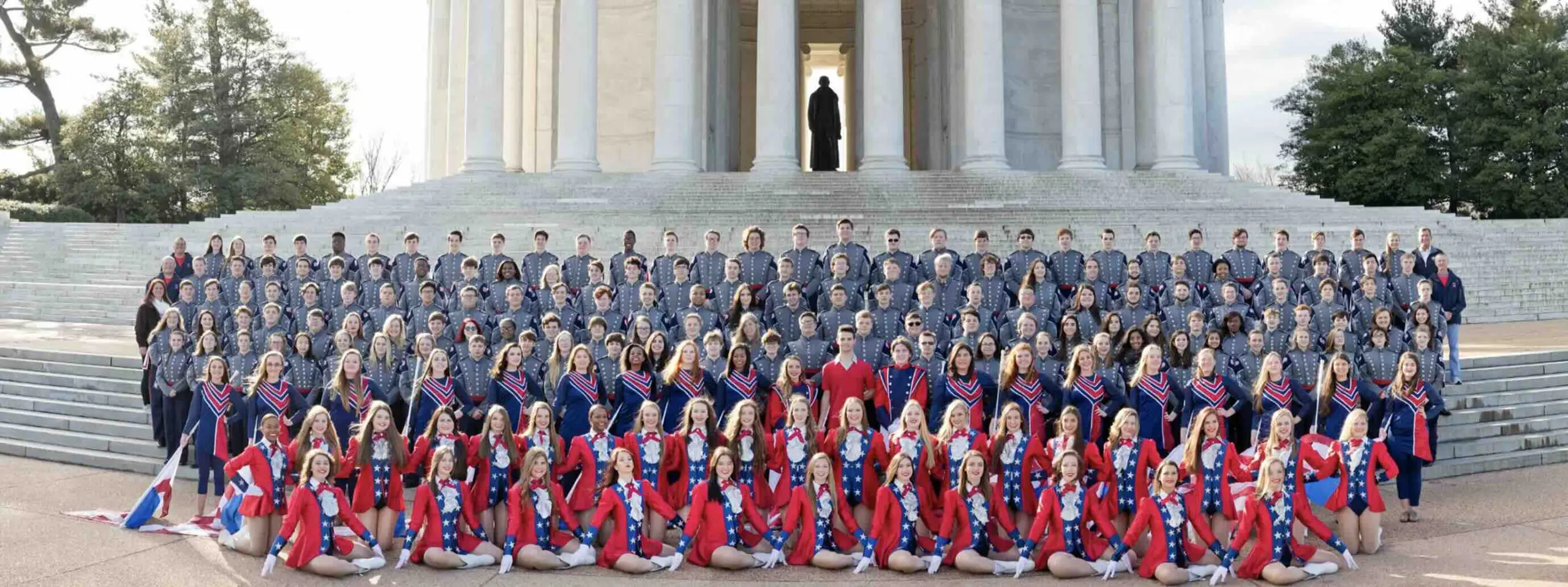
Travel boomed after the war, and a school trip to Washington became a rite of passage for a new generation. Suddenly there were more out-of-towners than any roaming photographer could keep up with. So Central planted a camera in front of the steps of the Ulysses S. Grant Memorial. The memorial honors the general who helped hold a divided nation together. Central took on the easier assignment, though anyone who’s tried to line up a hundred and fifty middle schoolers in fifteen minutes or less might argue otherwise.
That business grew, slowly at first and then steadily, until the tripod on the steps became as much a fixture as the letters CPC. For years the two eras lived side by side in the archive, one camera out finding the moment and another waiting for it to arrive.
But over time, the demand for the steps grew. The rhythm set in and held for about seventy years, the way it still does most days even now. The buses loop around Peace Circle. The groups converge near the reflecting pool. The Central photographers line everyone up with the ease of people who’ve done it ten thousand times, up and down the steps, perfect every time. The camera stays put. The moment comes to Central.
That rhythm built the company as everyone knows it now. But somewhere in there, quietly, a trade got made. Central stopped going out to find the picture as often, and pioneered a D.C. staple.
New ownership gave Central a reason to move again
Madeleine Ivey is the third-generation Ivey to run the show now. She purchased the company less than two years ago, and with it came everything: the archive, the clients, the cameras, the buildings, the heritage, the outdated systems, the timeless mission. As the first woman to own Central in its 107 years, she didn’t step in to keep it exactly as it was. She came to reawaken what had always been there.
And so the tripods and cameras began moving again.
On July 4, 2026, for the first time in decades, Central left its “spot.”
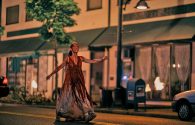
The team spread out across the length of the National Mall and did the oldest thing the company knows how to do: go find the people. No steps, no line, no reservations. Just cameras out in a crowd of tourists, celebrating the differences that make up America during its semiquincentennial.
Washington, D.C. reached an unofficial high of 103 degrees that afternoon, breaking its century-old Independence Day record of 100 degrees, set in 1919, the very year Central Photo Company opened its doors. The two hottest Independence Days in the city’s history now sit at either end of the company’s life. Central took the coincidence as a sign: 107 years later, things were heating up again.
That’s the bet the new Central is making: that its next hundred years look more like its first than its middle. Less waiting on the steps, more out in the crowd. The same instinct, with the camera pointed back at the country as it actually gathers.
By the end of the day, the team had photographed more than 1,500 people and added that many pictures to the archive. They handed out instant prints and ran through their stock. Apparently, a physical photograph still doesn’t go out of style: a picture pressed into your hand, destined for frames and refrigerators from sea to shining sea. Proof that even on a scorching, storm-cut, half-cancelled holiday, people still love a moment they can hold onto forever.
What runs through all of it
Central’s archive holds both halves of the company at once: the years it spent moving through the city and the decades it spent rooted to one spot. Different decades, different lives, but the same instinct every time: keep everyone in the frame.
The camera and the country have gone from moving to still and back to moving again. Across all that motion, the trade at the center of the work has remained remarkably simple: people stand near something bigger than they are, and they want proof they were there.
(Photos Courtesy of Central Photo Company)