History Bites
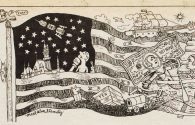
The Republicans are Raining on America’s Most Patriotic Celebration – Again
by R.C. Baker
SEVEN DECADES
Last Refuge of a Rock Critic: A Bicentennial Search for Patriotism
by Greil Marcus
News
Since the Death of Ryder in 2022, the Toll Continues to Rise
by Tracy Basile
VOICE CHOICE
Eat, Drink, and Be Merry Till Midnight at the Queens Night Market
by Laura Bell
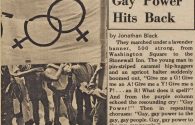
1969: Three Weeks After Stonewall, Gay Power Began Finding Its Voice
by Jonathan Black
As the Aughts Got Rolling, Clinic Covered Their Mugs and Wowed Radiohead
by Stuart Berman
From TikTok to the Smithsonian, Tia Wood Brings Her Personal Pop/R&B/Indigenous Sound to ‘Native Sounds Downtown’
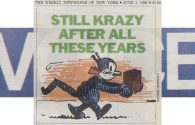
Forty Years Ago – and Four Decades After Its Creator’s Death – ‘Krazy Kat’ Was Still the Comic Strip of the Moment
by J. Hoberman
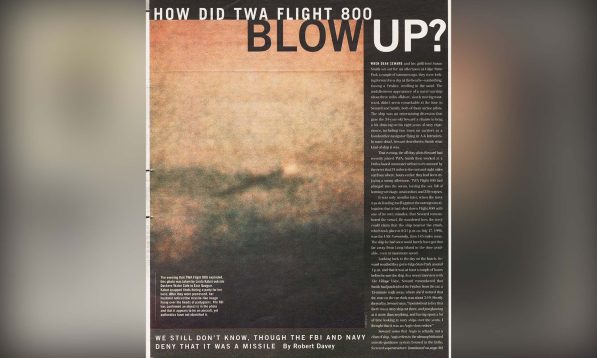
Onlyfans
by Robert Davey
Originally published: March 3, 1998
Originally published: July 12, 1976
by Anita Abedian
Originally published: June 14, 2016
by Howard Smith & Brian Van der Horst
Originally published: February 14, 1977
by Peter Noel
Originally published: April 3, 2001
by Joe Flaherty
Originally published: May 21, 1970
by Ron Rosenbaum
Originally published: September 13, 1973
by Gary Indiana
Originally published: February 18, 1992
Originally published: November 18, 2003