NEW YORK
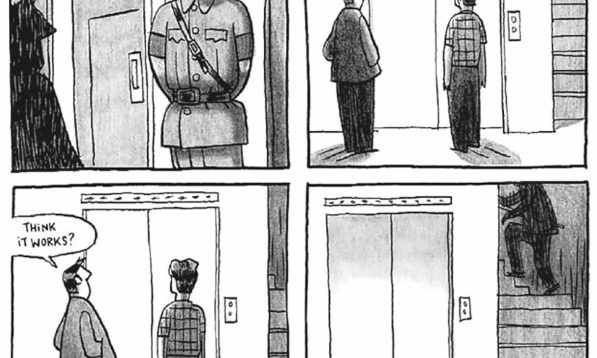
For Whom the Bell Tolled in 2001
by R.C. Baker
SEVEN DECADES
Lawyer Stanley Cohen’s Defense of The Usual Suspects in 2001
by Peter Noel
Stop the G.O.P.! Exposing the Rise of the Counter-Constitution in 1987
by Paul Berman
VOICE CHOICE
Print Is Still Kicking Butt at the 2026 Brooklyn Book Festival
by Laura Bell
March, Dance, and Celebrate Freedom and Solidarity in Two Boroughs this Labor Day(s)
FILM
A Sisyphean Tale: ‘Coyote vs. Acme’ Screenwriter Samy Burch on the Power of Persistence
by Kalyn Corrigan
In 2003, Reading Up On John Coltrane’s Contemplation and Invention
by Greg Tate
Onlyfans
by Ed Park
Originally published: August 24, 2005
ART ARCHIVES
Originally published: November 9, 2016
by J. Hoberman
Originally published: June 3, 1986
Originally published: April 20, 2010
Originally published: May 20, 2008
by Alexander Cockburn
Originally published: October 25, 1973
VOICE OF THE AGES
Originally published: September 5, 2017
Originally published: June 21, 2005
Originally published: September 4, 2013