








Every summer, as tick season peaks, thousands of people get a diagnosis that quietly rewrites their lives. Lyme disease does not just change your body. It changes how you date, how you trust, and how you decide who gets to see the parts of you that do not show up on the outside.
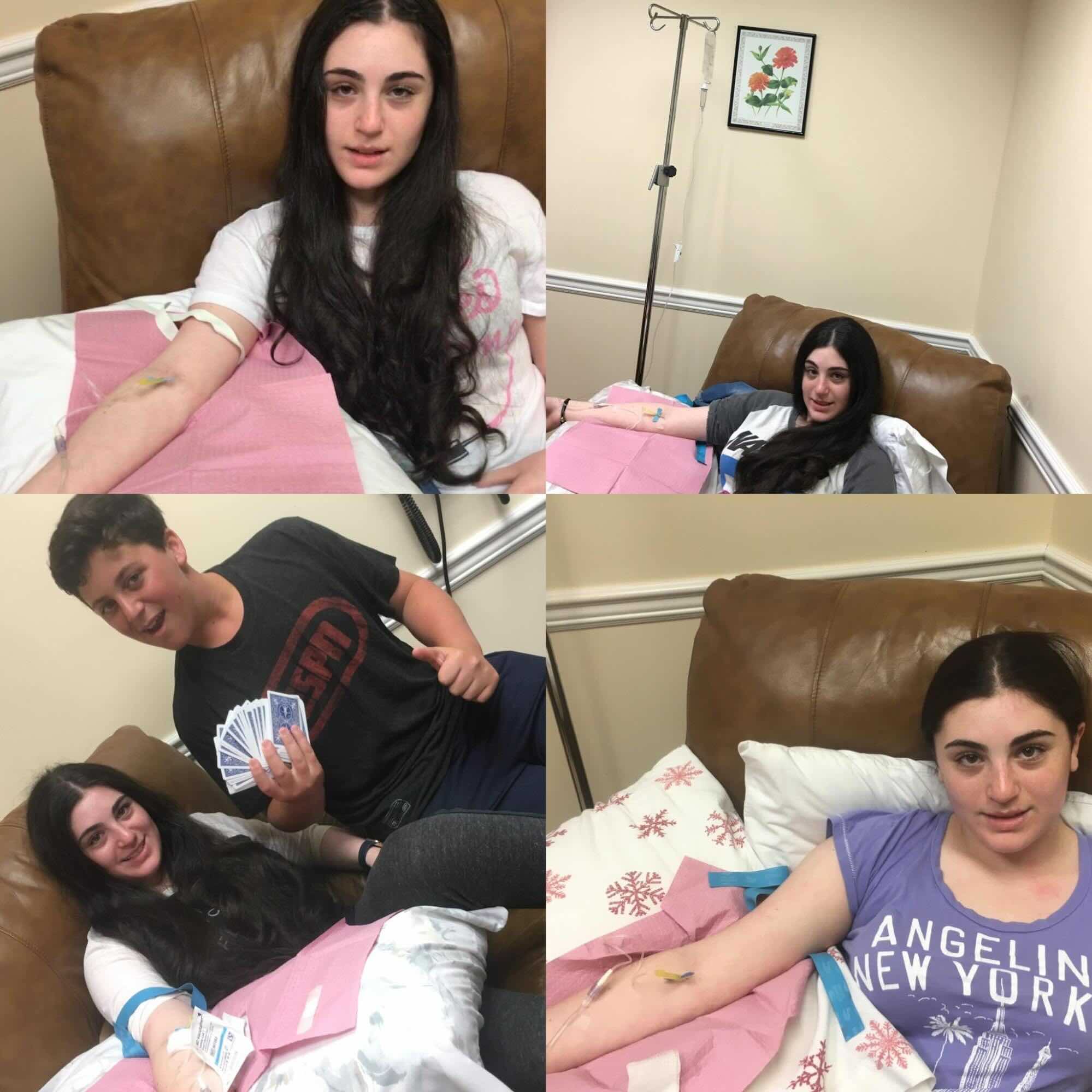
Samantha Sloves knows that terrain from both sides. She contracted a tick-borne illness at 14 and spent years navigating it before building MyLymeCoach, a concierge advisory practice for people with Lyme and complex chronic illness. Dating, she says, is one of the topics her clients raise most, and one almost no one prepares them for.
The fear that comes before the first date
“The hardest part is rarely the symptoms,” Samantha says. “It is the timing of the truth. When do you tell someone? How much do you say? What if your past scares them before they get to know you?”
She watches her clients wrestle with it constantly. One client in her twenties has been on two dates in two years, because every time someone suggests “grab a drink,” she panics. For people whose immune systems cannot tolerate alcohol, a culture built on cocktails turns every first date into a small, involuntary test.
Samantha coaches clients to stop treating disclosure as a confession. “Their reaction tells you who they are,” she says. “If they look at you like a project, that is information. If they lean in and ask questions without judgment, that is information too. You are not auditing yourself. You are auditing them.”
Why planning is the opposite of giving up
A myth Samantha works hard to dismantle is that chronic illness kills spontaneity. In her experience, the opposite is true: planning is what makes spontaneity possible.
“If my clients did not plan, they would have to say no all the time,” she says. “The medication in the bag, the backup plan, the early exit you may not need. That is not the death of fun. It is the price of staying in the room when the night is actually good.”
She helps clients build that scaffolding so the illness stops making every decision for them: which restaurant, how late, how far, what to do when a flare arrives mid-evening.
Intimacy, honesty, and the people who stay
The conversations get harder past the first date. Chronic illness can make physical intimacy complicated, and Samantha helps clients talk about that honestly with a partner instead of pushing through in silence.
“It is hard to feel desired when you do not desire yourself, when your sleep is wrecked and your calendar is nothing but appointments,” Samantha says. The work, she tells clients, is not to hide any of it. It is to find the person who can hold it without flinching, and to believe you deserve that person.
The foundation of her entire practice is a single idea: you are a whole person before you are a patient. “You were someone before this, and you still are,” she says. “You can be sick and still want to be chosen. Those two things were never in competition.”
For the person newly bitten this summer, staring at a diagnosis and wondering if love is still on the table, Samantha’s answer is steady. It is. You just need a plan, a standard, and the refusal to make yourself smaller to be loved.