








The Sol Health CEO and co-founder says the therapist shortage is not a lack of interest in the field. It is a broken training pipeline that pushes aspiring clinicians out before they ever get licensed.
Before a therapist can become fully licensed, they may spend years trying to collect supervised clinical hours while earning little or nothing and navigating a process few people outside the field understand. Gun Young Lim believes that broken pathway is one of the main reasons America does not have enough therapists.
“The shortage is not happening because nobody wants to become a therapist,” Lim said. “The shortage is happening because the system loses people before they get licensed.”
Lim is the CEO and co-founder of Sol Health, a mental health startup that makes therapy more affordable while training the next generation of clinicians. The company operates in more than 25 states and provides therapy through supervised graduate and associate therapists. Clients can access care through free fully funded sessions with Sol Sessions, $30 cash-pay sessions, or in-network sessions through insurance.
The deeper story is not only the price of therapy. It is the labor structure behind the price.
The U.S. has roughly half the mental health providers it needs, according to Lim. Yet he argues the problem is not a lack of people entering the field. Graduate programs across social work, mental health counseling, and clinical psychology accept tens of thousands of new clinicians each year. The break happens after that, during the long, expensive, poorly supported road to licensure.
Lim points to a sobering figure: roughly 57 percent of aspiring therapists abandon their careers before getting licensed.
“That number should bother everyone,” Lim said. “It means we have people who want to help, who train to help, and then the pathway pushes them out before they can fully enter the profession.”
The reasons are not mysterious. Aspiring therapists often need thousands of supervised clinical hours before full licensure. Many complete those hours while underpaid or unpaid. Supervision can be inconsistent. Professional development may be thin. The licensure roadmap can feel confusing, especially across state lines. For people without family money or a financial cushion, the process can become impossible.
Lim sees that as both a labor problem and an access problem.
“We ask therapists-in-training to support everyone else, then give them very little support in return,” he said. “That is not sustainable, and it is not fair.”
Sol Health was built around a different premise. Instead of competing for the same shrinking pool of licensed therapists, the company focuses on the pre-licensed workforce. Sol Health acts as a fully virtual placement site for graduate and pre-licensed therapists, giving clinicians supervised clinical hours, senior clinical supervision, training, professional development, financial resources, and a clearer path toward licensure.
The same structure allows Sol Health to provide therapy at prices many clients can actually reach. Out-of-pocket therapy in major U.S. cities can run $200 to $400 per session. Sol Health clients can receive free care through Sol Sessions, pay $30 cash, or use insurance.
“To me, affordability and workforce development are the same problem,” Lim said. “If we support the people becoming therapists, we can also get care to people who are priced out of the current system.”
Lim’s belief in therapists-in-training is also personal. At Stanford, he received care from a graduate therapist intern who was still accruing supervised hours, and the experience reshaped how he saw early-career clinicians. What stood out to him was not only that she was talented, available, and affordable. It was that the system treated people like her as temporary labor instead of the foundation of the future workforce.
“The training period should not be treated like a discount version of care,” Lim said. “It should be treated like the way the next workforce is built.”
That question cuts against much of the mental health industry. Many companies respond to the therapist shortage by fighting over licensed clinicians who are already in short supply. Lim sees that as a losing strategy. He believes the more durable fix is to produce and retain supply by making the training period viable.
That also means challenging assumptions about quality. Some investors and industry observers initially heard “therapists-in-training” and assumed the care would be weaker. Lim’s response is that this is how the entire mental health workforce has always been built. Every licensed therapist in the U.S. began as a therapist-in-training accruing supervised clinical hours toward licensure — a structure that became standardized in the 1980s as state licensure boards formalized supervised practice requirements. Pre-licensed clinicians have been delivering care for decades through community clinics, school counseling centers, and group practices. Sol Health’s contribution isn’t inventing the model. It’s running it at scale.
The research backs the approach. Decades of psychotherapy outcome studies have found that therapist experience and training level have little measurable effect on treatment outcomes (Erekson et al., 2017; Walsh et al., 2018). What consistently predicts outcomes is the therapeutic alliance, client-therapist fit, and structured supervision — not years of polish. Sol Health clinicians are supervised by licensed senior clinicians, follow evidence-based protocols, and measure outcomes through validated tools such as GAD-7 for anxiety and PHQ-9 for depression.
“Every licensed therapist in this country was once a therapist-in-training,” Lim said. “What makes therapy work has never been a count of years on the wall. It’s whether the supervision is real, the protocols are evidence-based, and the fit between two humans is right.”
Sol Health has now trained and supervised more than 300 graduate therapist interns and more than 60 associate therapists. The company has provided more than 30,000 sessions, including more than 1,500 fully funded free sessions through Sol Sessions. It has partnered with more than 100 graduate programs in mental health counseling, social work, and marriage and family therapy.
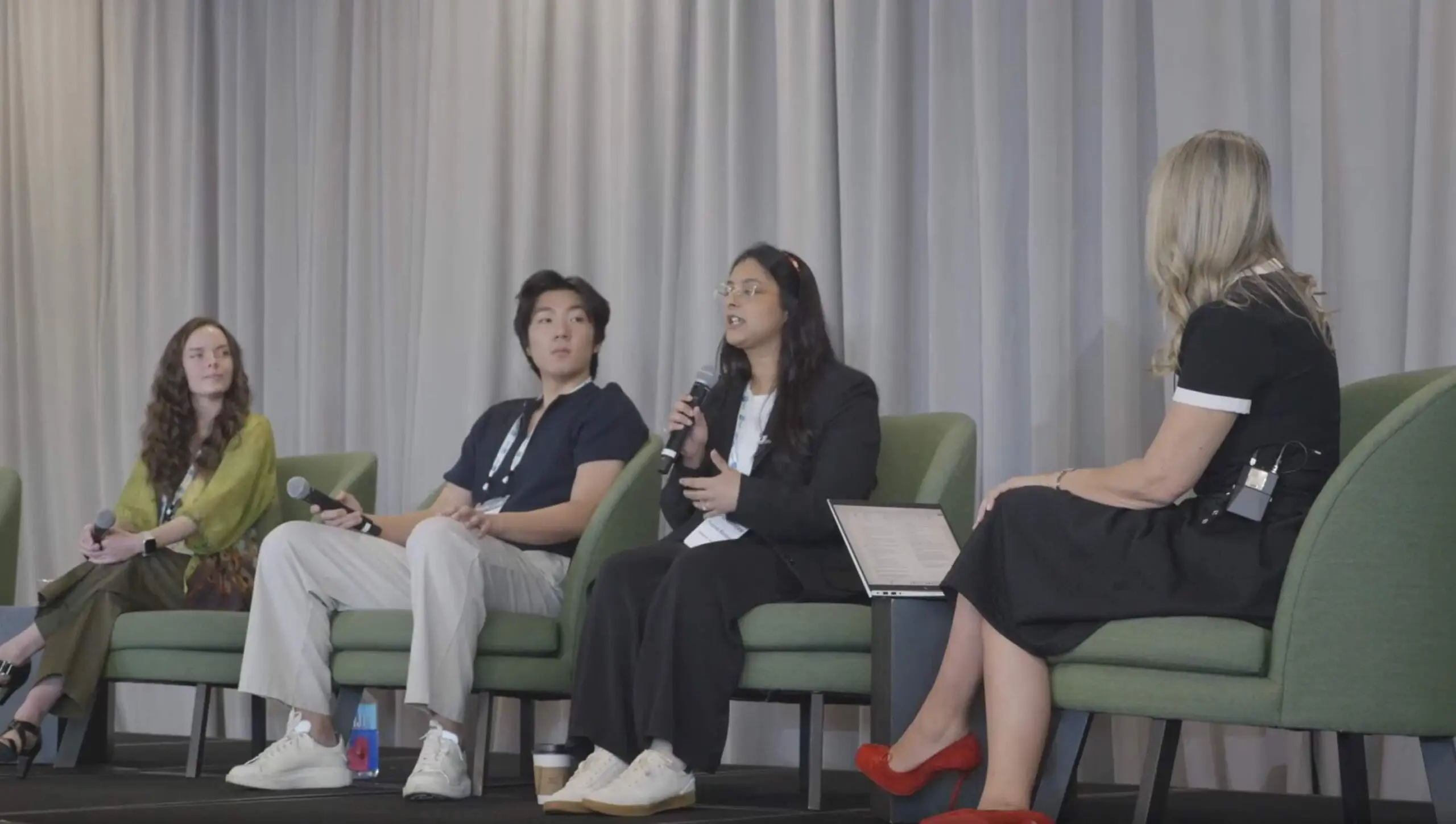
Lim believes retention is one of the most important numbers in the business. When a clinician stays from internship through associate status, licensure, and beyond, that person brings continuity for clients, becomes a future supervisor, supports the next cohort, and strengthens the entire system. To him, retention is not an HR concern. It is the operating center of the model.
“The best place for a therapist-in-training to build a career becomes the best place for clients to find care,” Lim said. “Those things are connected.”
That view also makes him skeptical of teletherapy platforms that rely on gig-economy models. Lim believes low per-session pay, independent contractor structures, algorithmic matching, always-on messaging expectations, and response-time metrics have contributed to therapist burnout. In his view, those platforms are not merely responding to burnout. They are helping produce it.
“Therapists are professionals,” Lim said. “If the platform treats them like interchangeable gig workers, the system will keep burning through the people it needs most.”
Sol Health’s next phase includes deepening payer relationships in existing states, particularly Medicaid in New York, and formalizing partnerships with graduate programs, nonprofits, schools, and labor organizations. The company is also preparing a Seed round for Fall 2026 to support expansion into additional states and build post-licensure infrastructure so clinicians can remain in the ecosystem after they become fully licensed.
Lim’s long-term vision is not simply more therapy sessions. It is a mental health system where affordability, workforce development, and cultural fit are built together instead of treated as separate problems.
“We cannot solve the access crisis by ignoring the people who are trying to become therapists,” Lim said. “If we want more people to get care, we have to build a better path for the people providing it.”
For information on Gun Young Lim, visit the Sol Health website.