







Historic preservation is often misunderstood as a technical effort to protect old buildings. In reality, it is a cultural practice through which communities decide which histories are visible, which values endure, and how future generations come to understand who they are. It is less about structures themselves and more about the meaning embedded within them.
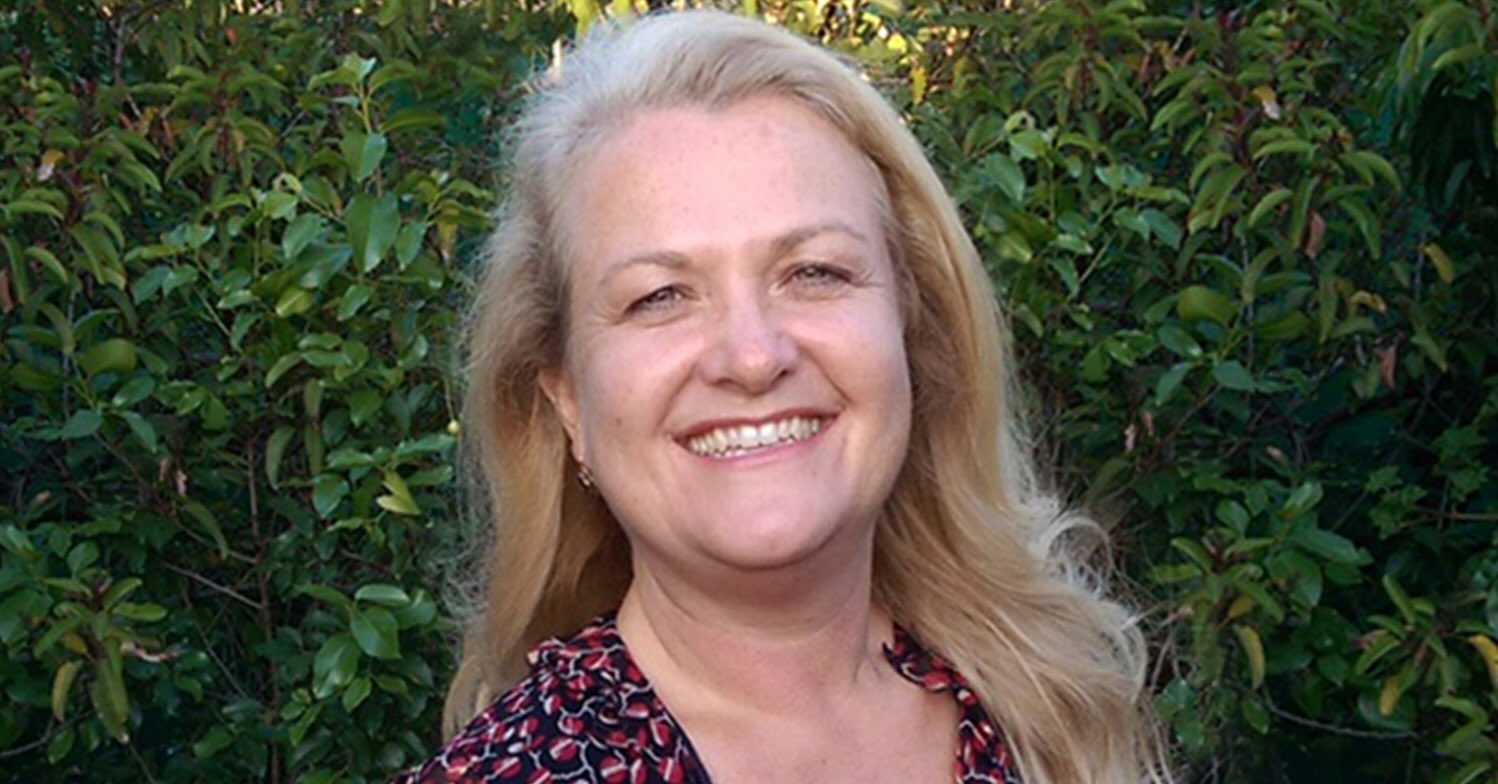
Margarita Jerabek, Ph.D., an architectural historian and historic preservation consultant, has spent decades working with municipalities, developers, and communities to guide preservation planning and cultural resource management. Her work focuses on identifying historically significant environments and ensuring that change is approached with an understanding of cultural continuity. From her perspective, preservation is fundamentally an act of cultural self-reflection.
“Historic preservation is about understanding who we are and what we value, and ensuring that those stories remain visible in the places we inhabit,” she says.
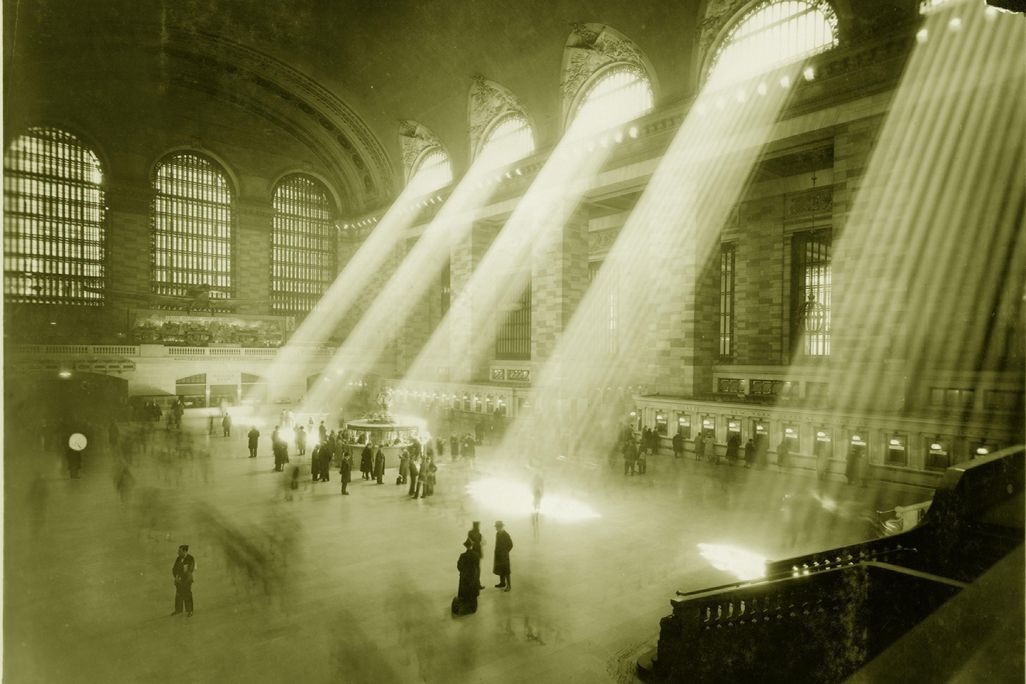
The modern preservation movement in the United States gained momentum in part through public reaction to the threat of demolition at Grand Central Terminal in New York City. That moment catalyzed a broader national awareness that cultural landmarks are not interchangeable assets. They are anchors of identity within rapidly changing urban environments. “That moment helped people realize that once these places are gone, they cannot be recreated. They carry meaning that cannot be replaced,” Dr. Jerabek says.
Yet the evolution of preservation has revealed a deeper challenge. Early efforts often focused on prominent architecture and widely recognized historical narratives. Today, Dr. Jerabek notes that the field is grappling with what was overlooked. Entire histories tied to marginalized communities remain underrepresented within the built environment.
This is particularly evident in the preservation of sites connected to LGBTQ history, Black communities, and Native American heritage. Many of these narratives were either undocumented or intentionally obscured. As a result, identifying and preserving these spaces requires not only research but also a willingness to confront difficult histories. “There are many more stories that need to be told and acknowledged,” Dr. Jerabek says. “Historic preservation has to expand to include them.”
In this sense, preservation becomes an ethical practice. “It asks communities to engage with histories that may be uncomfortable, incomplete, or contested,” she says. “It also challenges conventional definitions of significance, shifting attention from monumental structures to everyday spaces where cultural identity is formed.”
Housing plays a critical role in this discussion. From Dr. Jerabek’s perspective, residential neighborhoods are not simply collections of buildings; they function as archives of identity, where architectural styles, materials, layouts, and even signage reflect patterns of migration, economic shifts, and cultural exchange. When viewed collectively, she suggests, these environments allow cities to be read as layered texts rather than isolated developments.
Dr. Jerabek emphasizes that these environments carry both tangible and intangible value. “Historic properties have qualities that cannot be reproduced,” she says. “There is craftsmanship, design, and cultural meaning that goes beyond how we typically measure value.”
However, misconceptions about preservation persist, particularly around property rights and economic impact. Some property owners fear that the designation restricts development or reduces value. In reality, preservation often enhances long-term cultural and economic resilience by maintaining distinctiveness within increasingly uniform urban landscapes.
At the same time, contemporary challenges such as climate change, urban displacement, and economic instability are reshaping how preservation is practiced. Recent wildfires in California, for example, have destroyed entire historic communities, forcing preservationists to reconsider how cultural heritage can be protected in the face of environmental risk. In some cases, efforts have included relocating historic structures or documenting what remains to preserve memory when physical preservation is no longer possible.
These evolving conditions point to a broader shift in the field. Preservation is no longer limited to protecting what exists. It is increasingly about adaptation, sustainability, and community engagement.
For Dr. Jerabek, the future of historic preservation depends on expanding participation. “Every person has a story that matters, and every person has a voice,” she says. “You do not have to be a professional to be part of preservation. It is a community movement.”
She encourages individuals to engage with their local environments, attend planning meetings, explore community history, and contribute to decisions that shape their surroundings. “This involvement is about recognizing one’s place within a larger narrative,” she says.
Ultimately, historic preservation is inseparable from contemporary urban challenges. As cities continue to grow and change, Dr. Jerabek suggests that the question is not whether transformation will occur, but how it will be guided. From her perspective, preservation offers a framework for ensuring that progress does not erase identity.
“Once people understand that their story is part of something larger, they begin to see why it matters,” Dr. Jerabek says. “And when that happens, they are more likely to protect what defines them.”