





There is a familiar image that often comes to mind when people think about history. It resembles a quiet library, filled with aging books, untouched shelves, and pages that feel distant from the present. For many students, that perception has not significantly changed, even as the world around them has transformed through technology, constant connectivity, and instant access to information. The way history is delivered, however, has struggled to evolve at the same pace, creating a growing disconnect between what is taught and what is truly understood.
That disconnect becomes more pronounced when applied to subjects that carry profound human weight. The Holocaust, which occurred just over 80 years ago, is often presented through dates, figures, and structured curricula. While those elements provide necessary context, they can inadvertently create distance. Leslie Benitah, founder of The Last Ones Foundation, suggests that the issue lies not in the presence of information, but in how it is experienced. “We have access to more information than ever before, but access does not guarantee connection,” she explains. “When we reduce something deeply human to facts alone, we risk losing the meaning behind it.”
From her perspective, this gap reflects a broader pattern within education systems that have remained tied to established methods. She notes that there is a level of comfort in relying on tools that are already validated and widely accepted, even if they no longer align with how people learn today. She points out that many frameworks for teaching history were developed decades ago, at a time when those approaches made sense. However, the pace of societal and technological change has altered how younger generations process and retain information.
This shift is particularly visible in how students engage with emotionally complex subjects. Benitah emphasizes that teaching the Holocaust primarily as a historical event, rather than a human experience, can limit its impact. “If students leave a lesson remembering only numbers, then we have not truly taught them what happened,” she says. “The goal is for them to feel something, because that is what stays with them and shapes how they understand the world.”
The urgency of this perspective is amplified by a generational reality that cannot be reversed. Society is approaching a point where firsthand testimonies from Holocaust survivors will no longer be available. As that transition unfolds, the responsibility to preserve not just the facts but the emotional truth of those experiences becomes increasingly important. Benitah reflects on this moment as a turning point, explaining that the further removed society becomes from these events, the more intentional education must be in creating meaningful connections.
Research continues to highlight the role of engagement in shaping how students absorb and retain information. A study found that student emotions directly influence learning outcomes, memory retention, and value identification, indicating that how learners feel during instruction is closely tied to what they remember and internalize over time.
This reinforces the idea that learning experiences grounded in emotional connection can deepen understanding, particularly in subjects that require more than surface-level recall. The finding aligns with Benitah’s view that education must evolve beyond information delivery to remain effective.

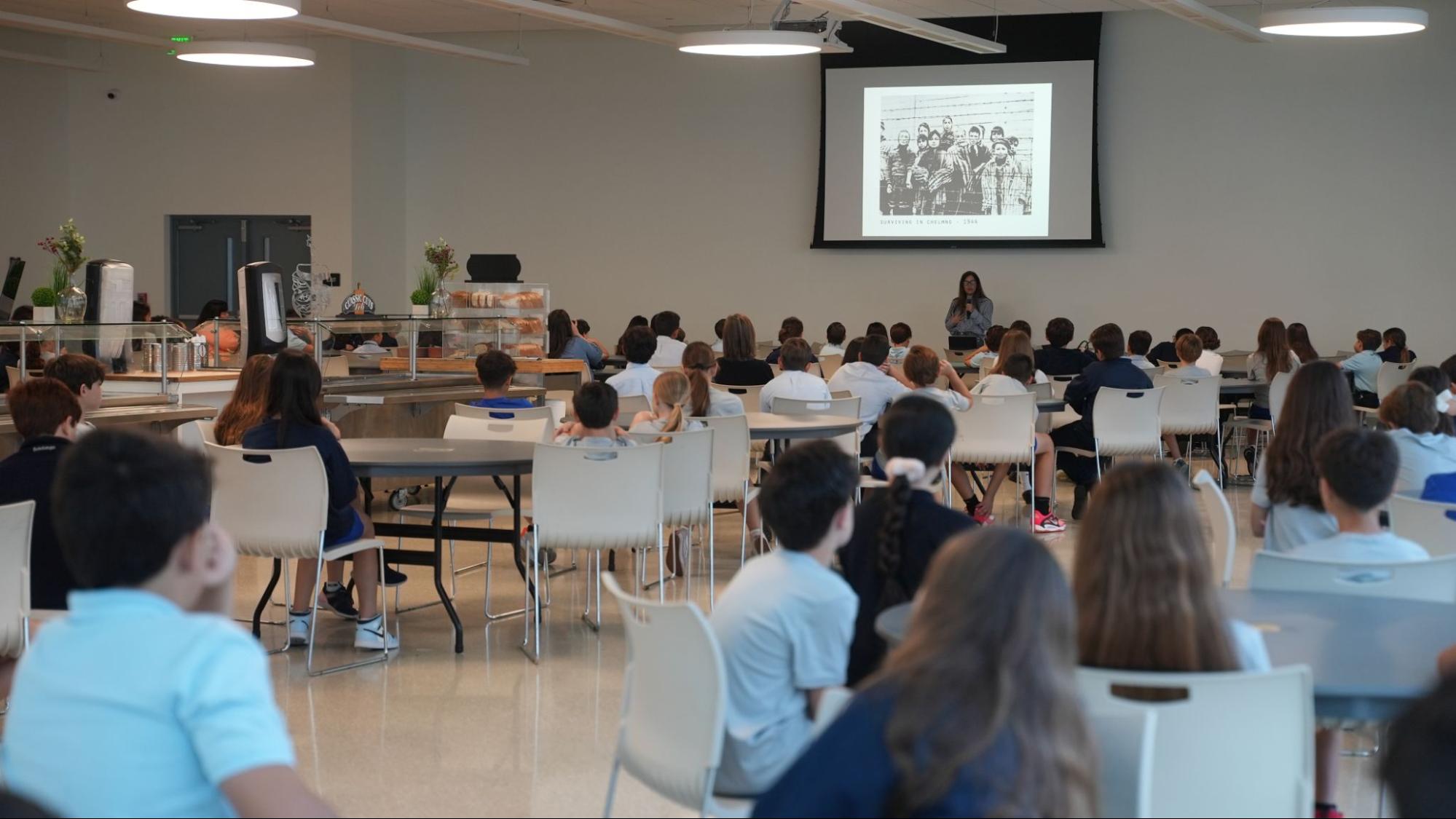
It is within this context that The Last Ones Foundation operates. The organization focuses on preserving the testimonies of Holocaust survivors through film, literature, and structured educational programs designed for classrooms.
The Last Ones (TLO) stands out by meeting younger generations where they are: on social media and digital platforms, all while preserving the authenticity of survivor testimonies. By translating these stories into powerful, short-form content, the foundation creates real engagement at scale. At the same time, its geolocated app transforms memory into an immersive experience, allowing users to encounter testimonies where history happened, redefining how Holocaust education is experienced today.
Through this work, they aim to bridge the gap between historical knowledge and human understanding by presenting stories in a way that resonates with modern learners. Rather than replacing traditional education, the foundation seeks to complement it by introducing an emotional dimension that strengthens comprehension.
Benitah frames this approach as an intentional shift toward creating what she calls an emotional bridge. “As we move further away from these events, the need for connection only becomes stronger,” she explains. “The facts will always remain the same, but the way we transmit them has to evolve if we want them to be understood.”
The response from educators reflects both the demand for such resources and the challenges they face. Many teachers are required to cover Holocaust education within limited timeframes, sometimes as little as a single hour per year, while also navigating the sensitivity of the subject. Benitah observes that educators often recognize the importance of deeper engagement but may lack the tools or training to deliver it effectively. In those instances, external resources that provide structured, emotionally grounded content can help bridge that gap.
The implications of this shift extend beyond a single subject. As access to information continues to expand, the role of education may increasingly center on interpretation, connection, and meaning rather than simple transmission. Benitah frames this as an opportunity to rethink how history is positioned within the broader learning experience.
“When students feel the weight of what they are learning, it changes how they carry that knowledge forward,” she says. “And if we want history to matter in the future, we have to make sure it is something people can connect with in the present.”
In a world where information is abundant but attention is fragmented, the challenge is no longer whether history is available. It is whether it is remembered in a way that preserves its significance. Without that shift, the risk is not only that history becomes distant, but that its lessons lose their ability to guide what comes next.