“We haven’t done anything wrong and have never been convicted in no court. We have rights, and the courts should decide and not let the police do things like what happened here. ”
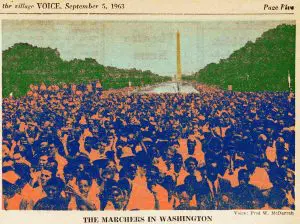
“The spirit of Gandhian agape that hung like a halo over Selma, with its nuns and angelic-faced students, was gone, replaced by a clenched militancy fueled by a despair expressed by Martin King's admission that his dream of Washington 1963 has turned into a nightmare.”
“During the ’50s, when little or nothing honest about gay male and lesbian lives was available culturally, how could a truth teller grab a niche? Not through high culture”
“The Movement in Amite County is pure and religious, uncontaminated by organizational in-fighting and hyper-militancy. It is just two solitary organizers and a handful of local Negroes.”
“There were rabbis, junkies, schoolboys, actors, sharecroppers, intellectuals, maids, novelists, folk-singers, and politicians — 40,000 motives and 40,0000 people marching to Montgomery”