






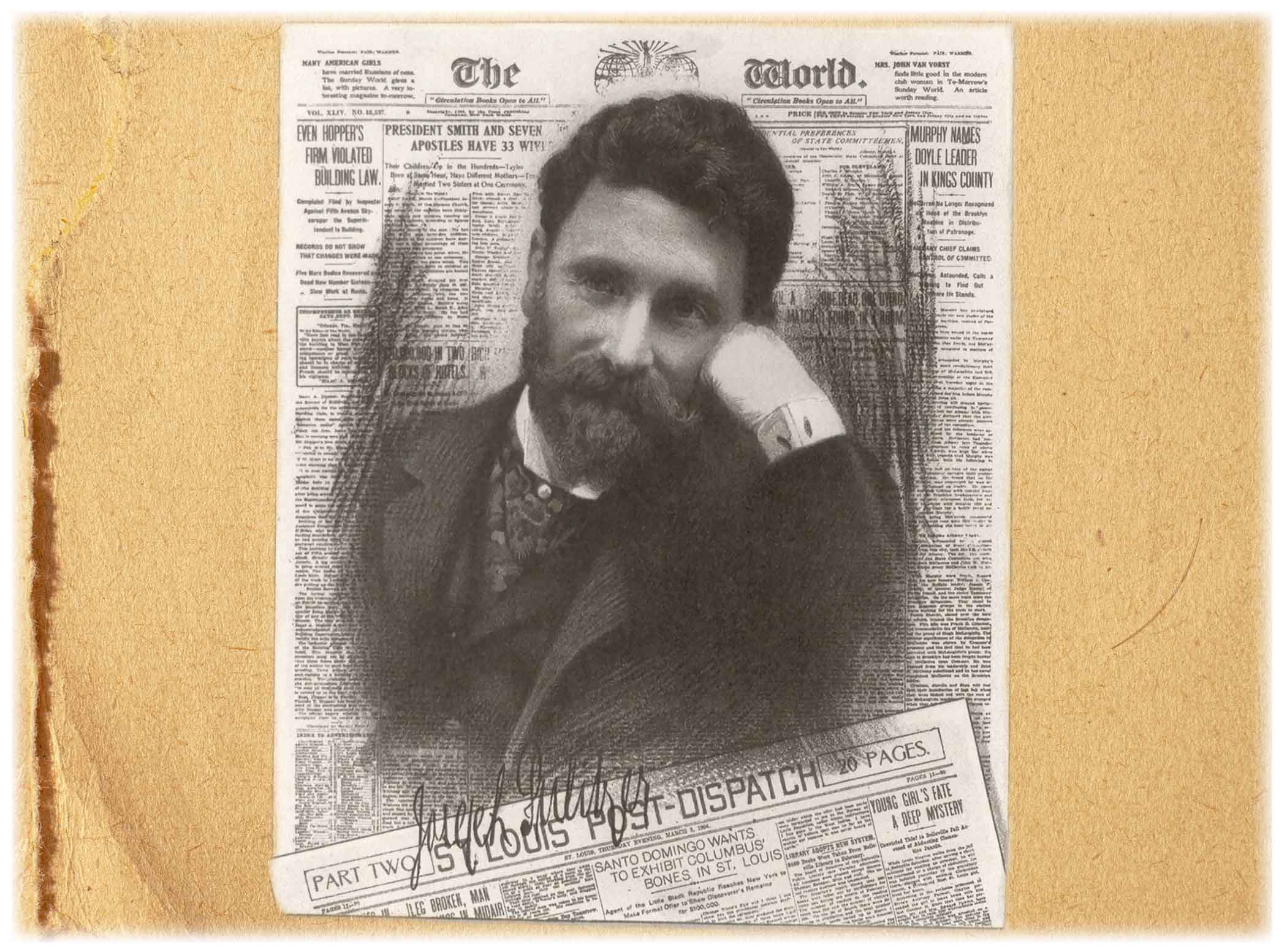
In handing down the 2024 Pulitzer Prizes, on May 6, the Pulitzer Prize Board responsible for selecting recipients of the most prestigious awards in journalism, literature, and musical composition made an astonishing announcement, which as of this writing is still sending shockwaves through prim newsrooms across the country: It had honored the late Village Voice writer and cultural critic Greg Tate with a “Special Citation.”
I knew Tate well enough to postulate with soulful conviction that he isn’t glad-handing and rolling around in his grave (gravitas, maybe) about it. Not that he’d be ungrateful; he just didn’t need their approval — dead or alive.
What was supposed to be the beatification of a peerless wordshifter — for what the Board notes was his “aesthetic, innovations and intellectual originality, particularly in his pioneering hip-hop criticism” — falls short of the completeness this recognition should have bestowed upon the original “flyboy in the buttermilk.”
Something that should have happened much, much earlier as proof of life (Tate surviving adversity threading through his metaphorical buttermilk) also raises a baffling question: Did the Voice — by virtue of the fact that Tate was inseparable from its iconic pages — also just retroactively, round-aboutly, win a Pulitzer?
Stay with me as I go illin’ whoops upside the Board’s buttermilk.
The Board, as I’ve been informed, typically considers works for prizes without requiring prior recommendations. They can go rogue all by themselves during the selection process. Their role, however, also includes actively reviewing nominations or submissions from publishers, authors, or other stakeholders, then making their decisions based on the merit of the works themselves. We don’t know who pulled their coat to the fact that Tate was long overdue for the prize but those are the criteria under which flyboy, presumably, was eligible for the recommendation to receive the ultimate shoutout from the Board, an overdue three years after he died in Harlem, at age 64.

“I’ll take it a step further,” former Voice press critic James Ledbetter commented in response to my Facebook rant “A Citation in Reverse Against the Pulitzer Prize Board and The New York Times for the Crime of Omission.” Ledbetter asked, “Where was the Pulitzer jury when Tate was alive and writing his best stuff? How many Black critics won Pulitzers in the ’80s and ’90s?”
Awarding a Special Citation to Tate evokes the notion that the Board, very much at the same time, must have/should have/would have referenced the Voice itself, the newswomb where Tate gave birth to a body of work and, as the Board put it, “the content of his ideas.” Some of us are left, reasonably, to infer that is what happened.
But on its official website, the Board tersely garlanded Tate without mentioning his tenure at the Voice, a significant detail it still could acknowledge as an egregious omission that overlooks a crucial juncture in Tate’s storied career. (The Times also neglected to mention that Tate was a Voice writer, providing only a link to their three-year-old obit, which placed him properly.)
In the event of my untimely demise due to a worm eating part of my brain, this rant, which falls under the Pulitzer Prize category of Commentary, shall not be used by the Board to posthumously award a Special Citation to me. Not calling BS on this token gesture by the Board would be letting them off the hook too easily for disappearing the Voice in their botched tribute to our beloved Greg Tate. ❖
Peter Noel writes mainly about social, racial, and criminal justice, focusing on police violence, culture, poverty, and politics. He lectures as an A’Lelia Bundles Community Scholar at Columbia University. Noel is the author of Why Blacks Fear ‘America’s Mayor’: Reporting Race, Crime and Black Activist Politics Under Rudy Giuliani.

