





The NYC art director and designer has built her creative life around a hard truth about the industry: if work becomes your whole world, it will eventually lead to burnout..
Urja Dwivedi always dreamed of becoming an art director. Growing up in India, it was storytelling that opened up a world of possibilities for her—sparking both inspiration and a desire to be part of the creative minds behind it. She saw advertising as a powerful, accessible form of storytelling, and went on to build her path with intention, earning recognition and accolades as an art director and designer in New York City. .
“Advertising is exciting because it is always asking you to solve something,” she says. “And the solution often comes from many different places! What is the feeling we want to inspire? What color represents this emotion? What makes this product useful? What memes are trending?”
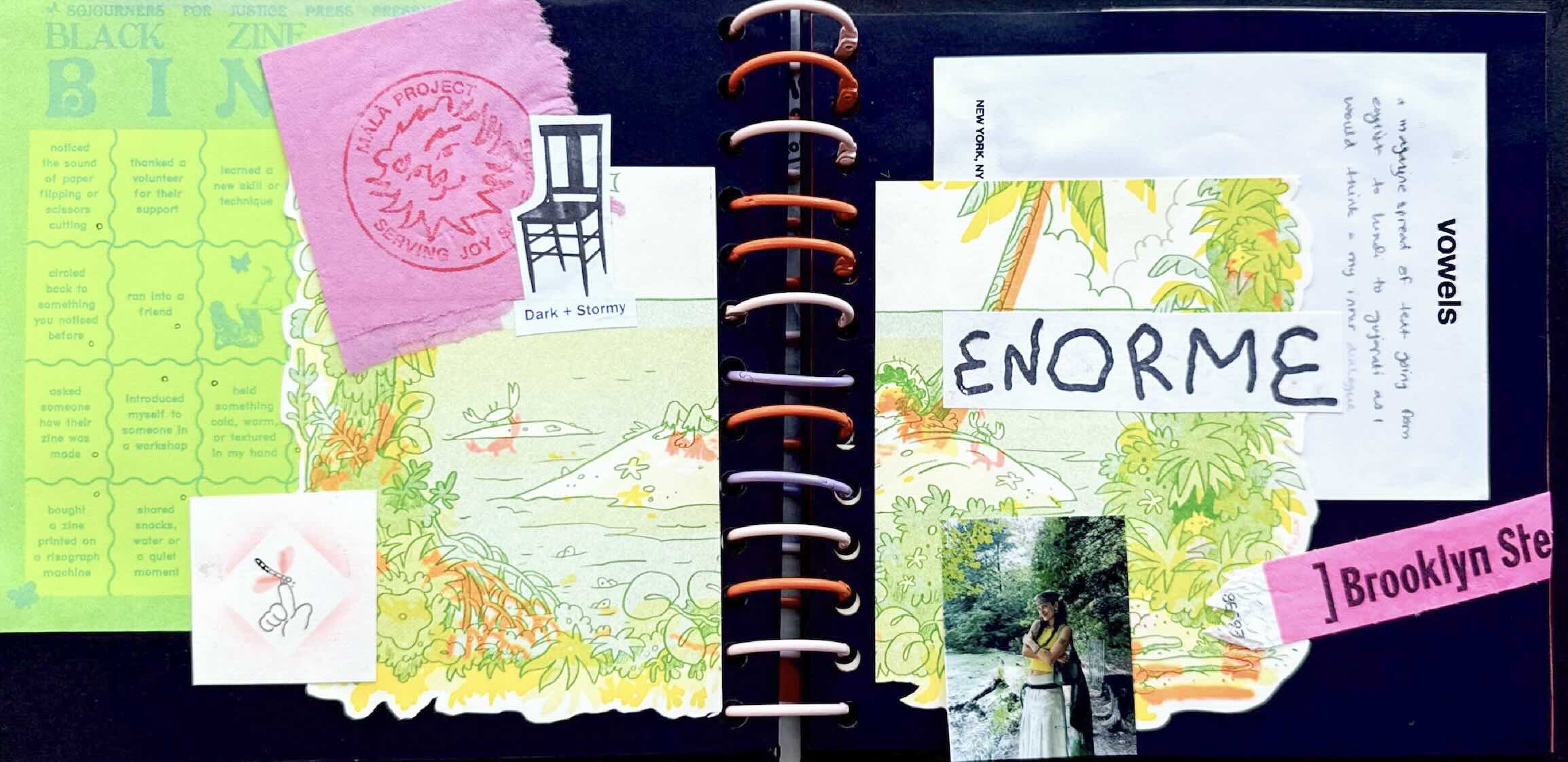
You can see this perspective in Dwivedi’s work. For Garnier, Dwivedi created a zine allowing Garnier to collaboratively make branded art with its most loyal fans. For Waterloo, Dwivedi visualised a road trip with maximalist collages that represented the Brand’s motto “Water Down Nothing” and more. She values the pace and challenge of the work and thrives off it, but she also knows how easily that same environment can lead to burnout. For Dwivedi, the lesson has been clear: you can care deeply about advertising, but you have to build your creative practice outside of it.
“I think one of the biggest mistakes creatives make is letting the job become the only thing that gives them meaning,” she says. “The work matters, yes, but it cannot be the only place where creatives hone their craft.”

What steadies her is not one single ritual. It is the wider life she has built around the job. That includes creating art without limitations and expectations, finding rest as well as adventure, friendship, movement, and all kinds of everyday practices that remind a person they are larger than their deadlines.
“You need parts of your life that are not being evaluated all the time,” she says. “That is what helps you return to work feeling invigorated.”
Her go-to release from burnout is simple: a walk through the park, a stop at a local coffee shop, and time spent doodling in her sketchbook. She also takes herself on “artist dates,” a concept from Julia Cameron’s The Artist’s Way, weekly, solo outings designed to nurture creativity by “filling the well.” Whether it’s wandering through a thrift store, visiting an aquarium, or exploring a gallery, these unstructured, non-productive moments help her reconnect with her creative instincts. These practices have not just helped her become a competent art director but also fueled her passion projects where she reconnects with her mother tongue of Gujarati through type design, painting, and hand lettering.
“I love spending weekends at a museum and then coming home to paint,” Urja says. “In the winters, I’d host art nights—transforming my bedroom into a cozy studio where I could work on my paintings, surrounded by music and friends all making something of their own.”
Many of her creative inspirations lead to passion projects that build communities around a shared love of art . After moving to New York, Dwivedi led Type Thursday monthly meetups as a way to foster a design network. Those gatherings eventually became more than professional events. Many of the people in that circle became close friends. Even the smaller creative projects she makes outside work are part of that effort to create spaces that feel more personal, generous, and fulfilling.
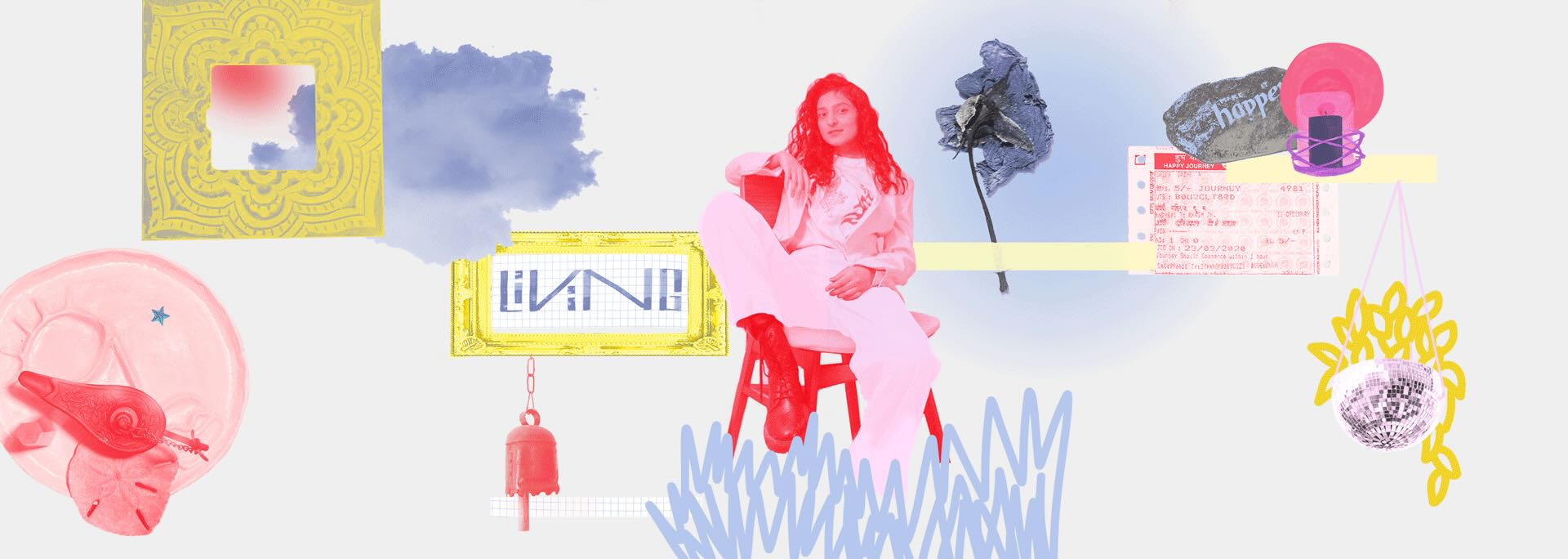
“Who you are around matters a lot,” she says. “It affects what kind of life feels possible and whether you feel supported enough to keep going.”
That point feels especially important if you work in the creative industry that is prone to economic shifts. Dwivedi talks openly about how common layoffs and instability have become in her industry. Business shifts. Teams lose resources. Leadership changes create new uncertainty. She says surviving those phases has required openness, resilience, patience, and a willingness to adapt to what the industry needs.
“When the industry gets shaky, I think it becomes even more obvious why you need a fuller life,” she says. “This is when my half-painted canvas or an elevator pitch put on hold fills up my time and keeps me going .”
That perspective was shaped by the path she took into the industry. Dwivedi fought for a creative life from the beginning, then built her way into advertising through art school, early freelance work, and a turning point when someone at Ogilvy saw her portfolio and offered her an internship. Even now, that journey seems to inform how carefully she thinks about what work and how it’s a stepping stone to a fuller creative practice.
Her relationship to creativity has never been only professional. It is tied to identity, belonging, and the long effort of building a life that feels sustainable. That is part of why she speaks so clearly now about finding ways to enrich your creative practice.

“If your whole sense of self is tied to the creative industry, the industry can shake you much more deeply,” she says. “I think people need more anchors than that.”
Dwivedi’s perspective pushes against one of the quiet myths of advertising. The myth says the people who last are the ones who give everything to the work. She seems to believe the opposite. The people who last are the ones who build enough life outside work to survive the moments when the work becomes too demanding, too unstable, or too prescriptive to carry them on its own.
What makes Dwivedi’s perspective worth hearing is that it resists a fantasy many creative industries quietly sell. The fantasy says that if you care enough, work can become your whole world. She does not buy that anymore. She seems more interested in a different model, one where creative ambition survives precisely because the person making the work has protected their art beyond it.
Learn more about Urja Dwivedi here.