






In a historic, long-overdue move, the Academy of Motion Picture Arts and Sciences has added a new competitive category for Best Casting to this year’s 98th Academy Awards, honoring casting directors around the globe for their crucial contribution to cinema. It’s the first time that the prestigious institution has implemented a new section since 2001.
“Casting directors play an essential role in filmmaking, and as the Academy evolves, we are proud to add casting to the disciplines that we recognize and celebrate,” said Academy CEO Bill Kramer and Academy President Janet Yang in a joint statement. “We congratulate our Casting Directors Branch members on this exciting milestone and for their commitment and diligence throughout this process.”
This year’s nominees include Jennifer Venditti for Marty Supreme, Nina Gold for Hamnet, Cassandra Kulukundis for One Battle After Another, Gabriel Domingues for The Secret Agent, and Francine Maisler for Sinners.
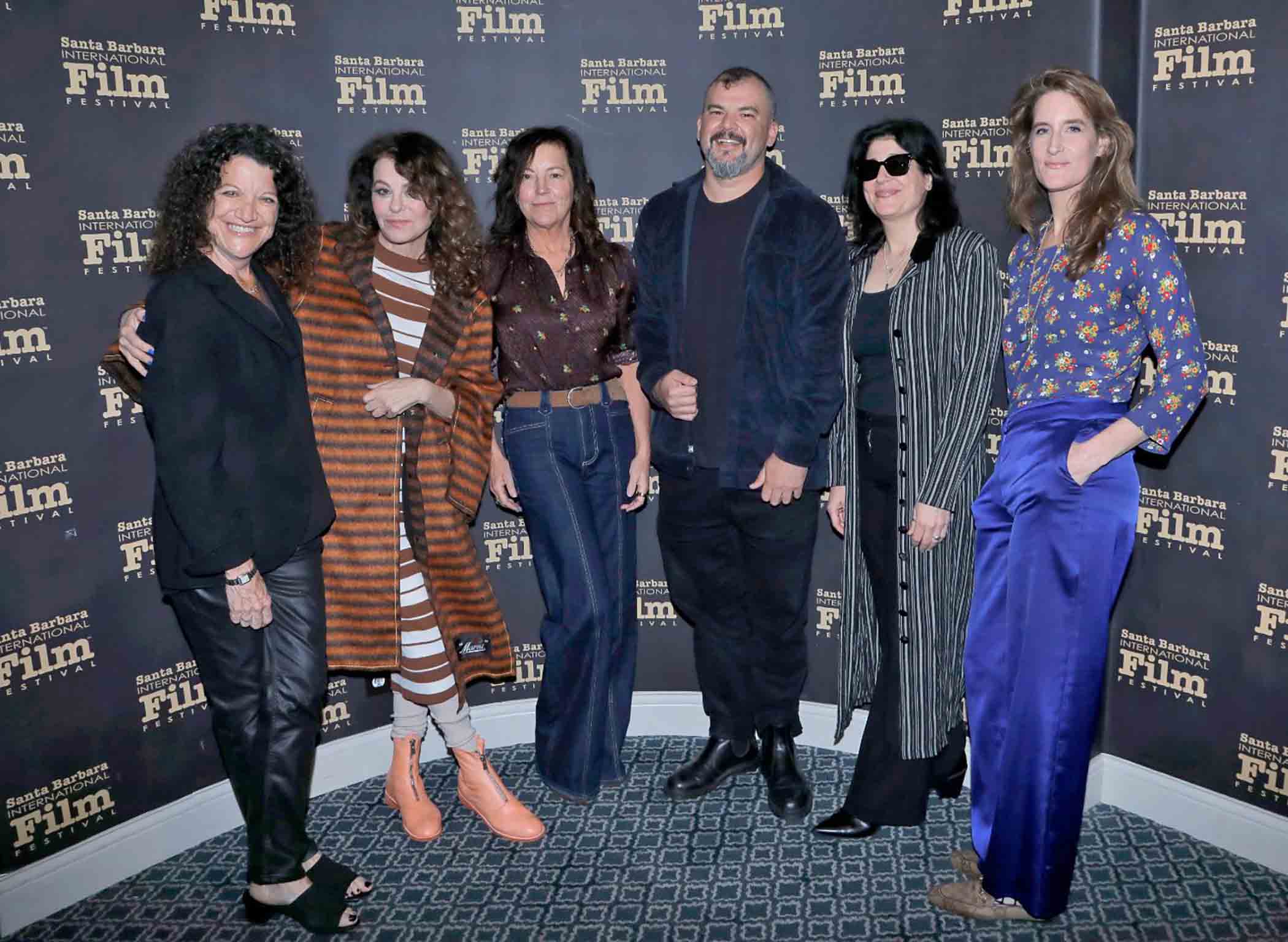
Despite the fact that their department has been a part of Hollywood since its infancy, casting directors didn’t become an official branch of the Academy until 2013. Today, they remain one of the smallest branches, with about 160 members.
After having spent years campaigning to have their work acknowledged as equal to their counterparts, it’s no wonder that when they were finally recognized for their artistry, many casting directors felt “a shock to the system,” as Oscar nominee Nina Gold puts it. Her movie, Hamnet, a historical fiction about how famous playwright William Shakespeare’s often overlooked family was affected by the plague, is up for a whopping eight Academy Awards. Gold’s team also just nabbed two BAFTAs. “I think most casting directors are naturally limelight averse,” she admits. “But I’m really enjoying it, and trying to see it for what it is, and not panic about, ‘Does my hair look terrible,’ or any of that stuff, but just enjoy the incredible fun of it.”
Gold isn’t the only one feeling the pressure of a red carpet. Casting director Cassandra Kulukundis, whose movie One Battle After Another, a dramatic thriller starring Leonardo DiCaprio as Bob, a former radical revolutionary on the hunt for his missing daughter, has expressed a similar sentiment regarding suddenly finding herself standing in front of flashing lights.
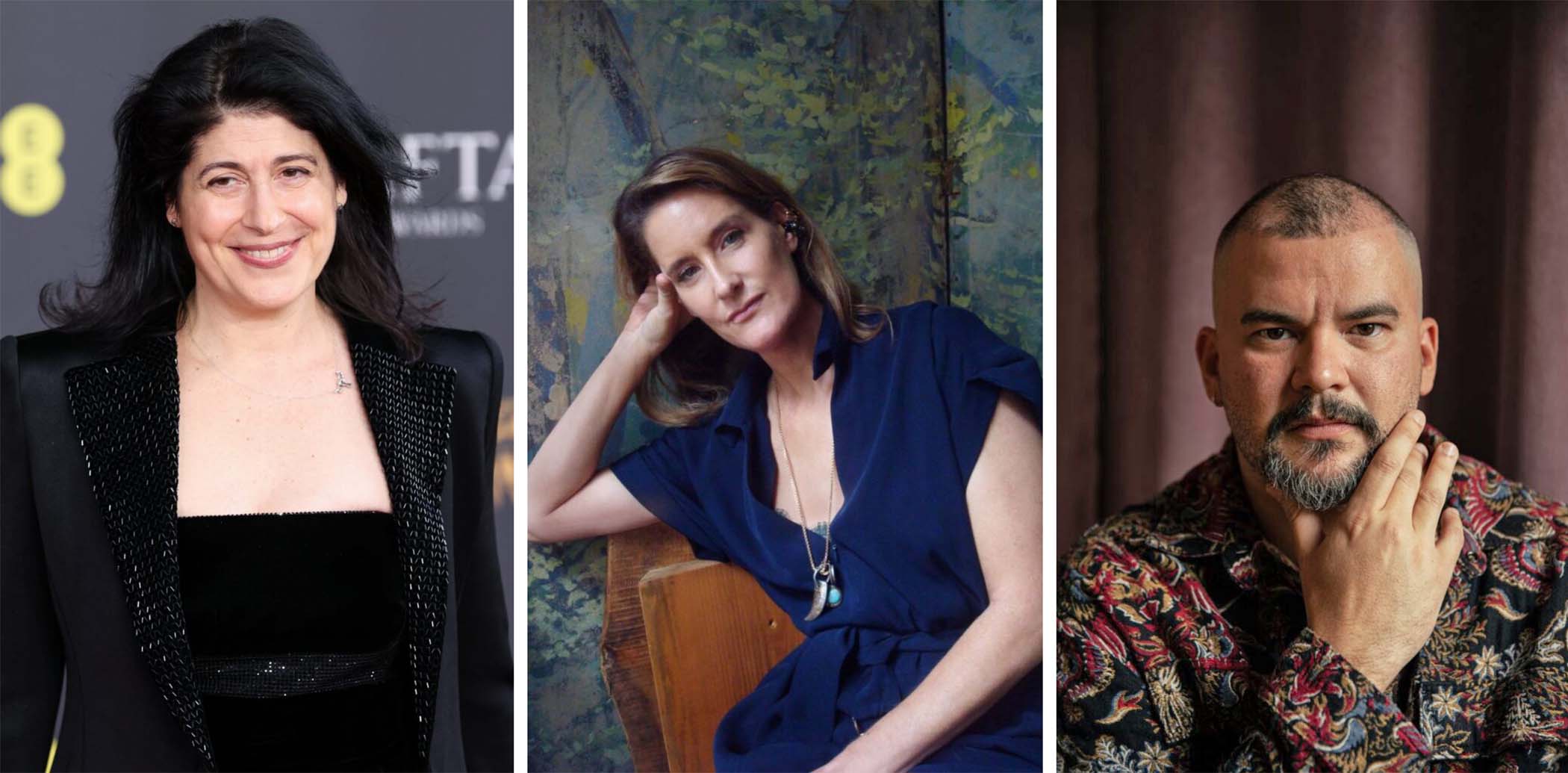
“This is a definite change for me,” she laughs. “When I see a camera, I usually dive out of the way.” At this point in time, Kulukundis’s worst fear is that she might wind up on a ‘worst dressed’ list after the Oscars. “I’d really like some help with my wardrobe. I’m putting it out there. It’s very hard to keep up. Regina [Hall] is stunning. Teyana [Taylor] and Chase [Infiniti] seem so fabulous. Like, where are they getting all these clothes? And there’s me, trying not to look like the person who’s going to hold their bag.”
Kulukundis has been Paul Thomas Anderson’s right arm for years, collaborating on countless projects such as Boogie Nights, Phantom Thread, There Will Be Blood, Inherent Vice, Punch-Drunk Love and Licorice Pizza.
“He’s always been like this,” says the casting director about Anderson’s relentless drive to make the biggest movies imaginable. “If anything, he’s almost mellowed out. He’s always just known what he wants, and has swung for the fences, and had great big ideas.”
Back in the ‘90s, Kulukundis and Anderson didn’t have the money or the prestige quite yet, so they didn’t always have the means to make their biggest dreams be fully realized. Today, the filmmakers have garnered quite the reputation as the stunners of Hollywood. Funnily enough, however, their popularity poses a new challenge: so many people want to work with them, but there’s only so many roles available per film. “[Anderson] also takes a few years between movies,” she offers up jovially. “If he was maybe a Stephen King, and did one every year, maybe we could hit up more actors, but it takes a long time to get these things together.”
Scheduling conflicts can also be a huge issue for filmmakers who have their hearts set on a certain face for their film. As maniacal as it sounds to put everything on hold for one simple person, Kulukundis knows better than anyone the merit of her director’s demands. That’s why when Anderson announced that he was going to pause production on One Battle to wait for Benicio del Toro to wrap up filming The Phoenician Scheme so he could come eat up the scenery as Sensei Sergio St. Carlos, she trusted him completely.

“I had a feeling that was going to happen,” she quips. “We had to stop production, but I was able to catch up. So, Benicio maybe did me a little favor, because I was at that point casting day-to-day. People I would find on the street would be on screen like two days later. It was really getting to be a little bit too nerve-racking.”
In the movie, Bob keeps a fast pace on his tumultuous journey. Shuffling through crowded rooms and sun-kissed streets, he passes the dramatic faces of cluttered strangers who embolden the environment and give it texture. What most casual moviegoers don’t realize is that every single one of those faces was handpicked by Kulukundis during her daily walks to find extras to play background characters on set.
“That section is something that I couldn’t be more proud of,” she says. “It’s almost like a beautiful short film in itself. Just that whole bit when Leo comes to his studio, getting to the perfume store, up to his apartment, to get him out, up to the roof — the whole sequence is truly one of the most magnificent things I’ve ever seen in my life. I could watch it over and over and over again. And my skaters, and my migrant workers, my nurses, my cops! I love all those people. They made it so beautiful and so great.”
Understandably, from the outside, it can sometimes appear as though the director of the picture is making every single creative decision individually. The truth is, the best directors succeed because they know how to enlist the very best experts in each field. Casting is one of the most essential fields because it spearheads the shape of a project, creating a path to follow.
“The thing about casting is that when it’s invisible, that means it’s good,” Gold explains. “So if you’re not really thinking about the casting, then that probably means it’s successful.”
Every part of filmmaking is a collaboration between departments, and casting is no different — except for the fact that they do tend to enter the project a little bit earlier than most.

“At the beginning of the film, there’s nothing that exists except the written word, until the casting director comes on,” says Marty Supreme’s Jennifer Venditti, who beams about giving moviegoers the chance to learn more about her craft. “I hope people just realize that casting is an art form, that we all have a signature style. I think you can see that from the nominees. It’s not just a secretarial, logistical job of booking actors. We all have a point of view and different techniques that we use.”
Venditti, who has been working with the Safdie brothers for several years now (The Smashing Machine, Uncut Gems, Good Time, just to name a few), teamed up again with Josh Safdie for his latest chaotic character study starring Timothee Chalamet as Marty Mouser, a ping pong prodigy whose unfaltering ambition puts him on the path to becoming the world’s greatest table tennis player — and arguably, one of the best hustlers.
As the Oscar nominee explains, every job is a brand new project, and the challenges of each process are what keep it exciting. For Marty Supreme, that boiled down to three main components: the massive scale of the picture itself, the time period of the early 1950s, and the plethora of people required to fill the roster.
“I’d never done a period piece before,” Venditti recalls. “We had a hundred and fifty-plus roles, and then we ended up helping with background as well. When I first read it, I thought, ‘Wow, okay.’”
She continues, “I know, just because I’ve worked with Josh for so long, the thing that’s so great about him is that we have this shared love. I always say he’s like a casting director — every department basically says that he would do their department, because he loves every department, but I like to say that he loves casting the most.
“He challenges me, and he inspires me. It’s never just gonna be a straight road. So, just the idea of doing it on this scale, and this amount of people, and the period aspect of it, I was like, ‘Whoa, this is going to be a challenge.’ But also, after reading the script, I was just so blown away that it was mostly excitement. And because of Josh’s passion, he does so much research, and he has so many materials to show me, from photography to documentaries to backstories. And then we go off to the races.”
Casting director Gabriel Domingues understands the struggles of casting in accordance with a certain time period. Kleber Mendonça Filho’s The Secret Agent exists within 1977’s Brazil, at the height of a 21-year-long military dictatorship. Starring Wagner Moura as Marcelo, this unconventional thriller handles themes of grief, morality, and myriad perceived truths with wisdom and grace. It also contains a stop-motion sequence of a big, hairy leg attacking innocent patrons in the park, so obviously, that automatically skyrockets it into the position of being one of the top films of the year.
“[Filho] had a very original and rich and specific idea of Brazil in the ‘70s,” remembers Domingues. “When you’re doing a period drama, there’s many ways of representing it. The first conversation I had with Kleber and Emily, it was like, ‘What’s the point of the movie? What do we want to communicate?’ And one thing was really important was to show the brutality of Brazil by that time.
“Sometimes, when people are doing period dramas in the 70s, they romanticize, they stylize. They create more beautiful layers than there really were. The Secret Agent has this characteristic of recreating a ‘70s Brazil, but showing its contradiction: the poverty and the state of abandonment in which those people were living under the military dictatorship. The movie has these strong colors, these strong feelings, these strong landscapes and images. For me, in my work, making the casting, thinking about the actors, and the faces, and the bodies, and the expressions, of course, I would try to do the same — try to bring actors and people who create this force of the state of brutality of Brazil by that time.”
Domingues, who has worked with director Filho since he came aboard Aquarius back in 2016 as a casting assistant, believes that The Secret Agent is special because it constitutes a shifting of momentum in the industry.
“I really believe that this project, specifically, represents a turning point. Maybe an expression of a moment, where all the people involved in it — it’s a moment of maturity for us,” he says. “After many years of the Brazilian film industry struggling to be safe from the presence of people who are trying to disarticulate, it was a super important moment for us, because we’ve been working a lot. But also, the industry in Brazil has been changing a lot. And so is the industry in the U.S.”
Domingues expands, “We need to protect the way of making movies. With freedom, with creativity, with creating a unique style and unique work. Working with Kleber means all of that, because he’s such a special and unique filmmaker.”

Being a casting director is a little like being clairvoyant. You have to have a vision. This means not only envisioning who might work well in each role, but also who might fit together as an ensemble to personify words written on a page until the project is a living, breathing thing — its own fully established universe.
“I think with every other department, the tools that they use are more tangible, and our thing is really instinctual,” says Venditti. Over time, she’s developed somewhat of a mental rolodex of actors in her brain. Sometimes she auditions someone who might not be the best fit for the current role she’s trying to fill, but experience has taught her that they might be perfect for a different project down the line.
That was certainly the case with Odessa A’zion, whom Venditti was thrilled to offer the part of Rachel Mizler in Marty Supreme. “Once you meet Odessa, you don’t forget it,” the casting director swoons. “Her famous self-tape has been released, but she would go at night into this phone booth and record, and send it to me. I’d give her notes, and then she’d go back the next night and do it again. She just really gave it her all. And I just think she’s so magical.”
Tyler Okonma, on the other hand, was, like Chalamet, set from the very beginning, meaning he was committed to the project before the script was even written. Already known in pop culture as Tyler, The Creator, the wildly famous, Grammy-Award-winning rapper, producer, director, and fashion designer, his latest role as Mouser’s best friend and fellow swindler solidifies the virtuoso as a modern-day Renaissance man.
“Tyler was someone that Josh had met a long time ago,” Venditti says. “I think it’s so obvious that a lot of musicians have that quality of performance. And I think the reason why I can do this type of casting is because if we can see that someone has this quality that would be cinematic onscreen, Josh creates such an incredible, safe environment for people to be free, and experiment, and be vulnerable, because acting is a vulnerable act. He knows how to guide someone. He knows how to get them there. You can’t do this kind of unconventional casting without someone that knows how to create a space to let people thrive.”
Adapted from Maggie O’Farrell’s bestselling book, Hamnet, Chloe Zhao’s film has been one of Gold’s favorite projects that she’s ever worked on. “I read the book, and the producer, Liza Marshall, who optioned the book, actually lives on my street,” she says. “We’d go for walks together and talk about Hamnet long before it was actually getting made into a film. Then once Chloe was there, she had a pretty organic collaborative process.”
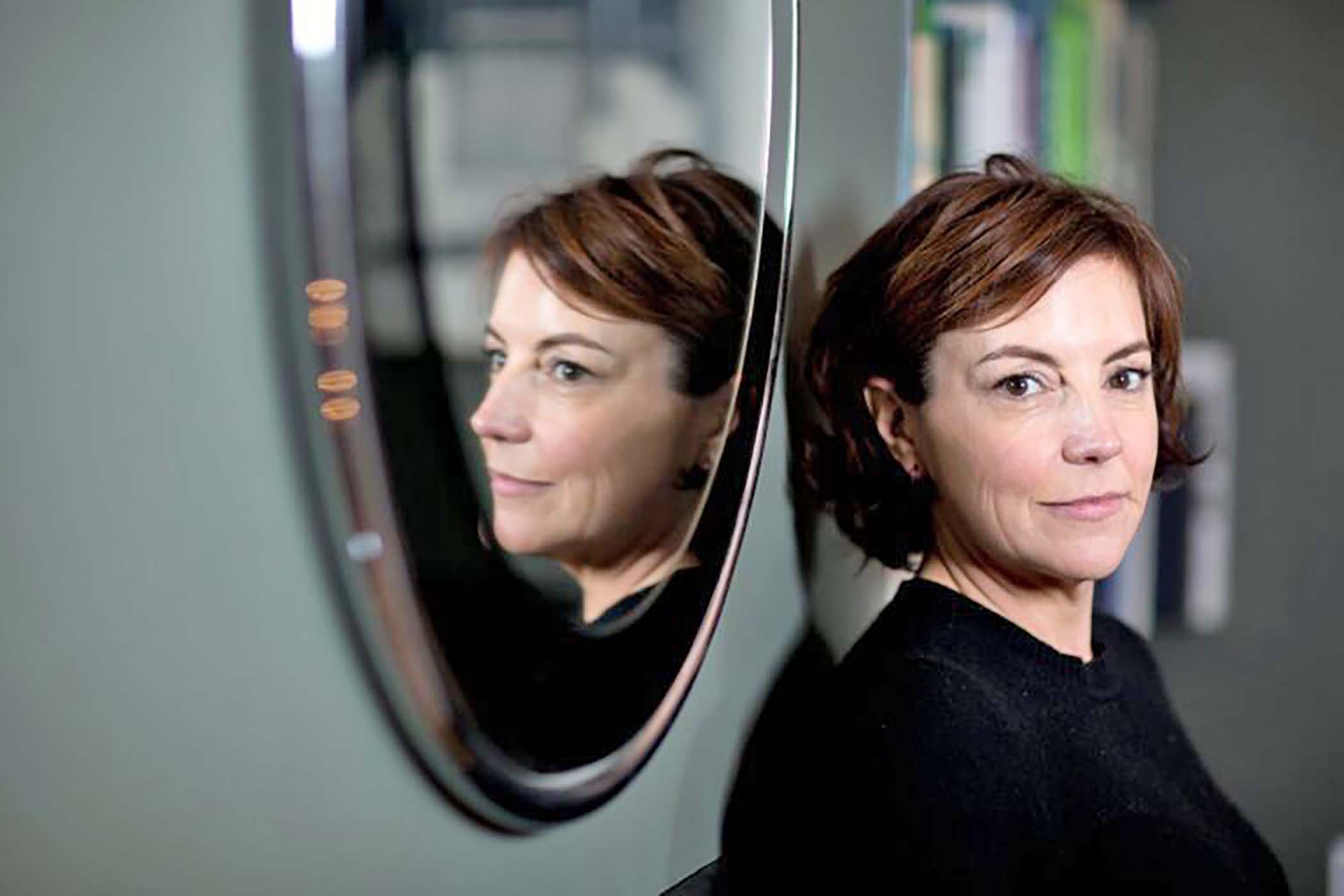
Written in a Shakespearean tone, with pages and pages of dialogue, the movie almost feels like a stage play. It is no way an easy feat, for any actor, no matter how accomplished. Enter Jessie Buckley. “She seemed to cry out that she would be brilliant for it,” coos Gold. “I’ve seen absolutely everything she’s ever done, and just really observed her as an actor over the years. I know her as a human as well, and she brought a lot of her own actual personal qualities to this. She becomes this incredible, connected, earthy embodied thing that you see.”
Dealing with such heavy subject matter in the script, with themes like loss and grief filling their days during shooting, all while having child actors on set, created the need to keep spirits high between takes. It was extremely important to director Zhao and casting director Gold not let any of the actors take their work home with them, especially the children. Discharging those emotions became a critical component of the process.
“We really tried to be very careful,” she explains. “Whilst going through this stuff in a real meaningful way, so that it is the performance you see, then finding a way to let them not take all this home with them. To get rid of it, and shake it out of their body, and to be able to get back to just being a normal kid who’s not suffering by the time they’ve gone home. That involved a lot of dancing.”
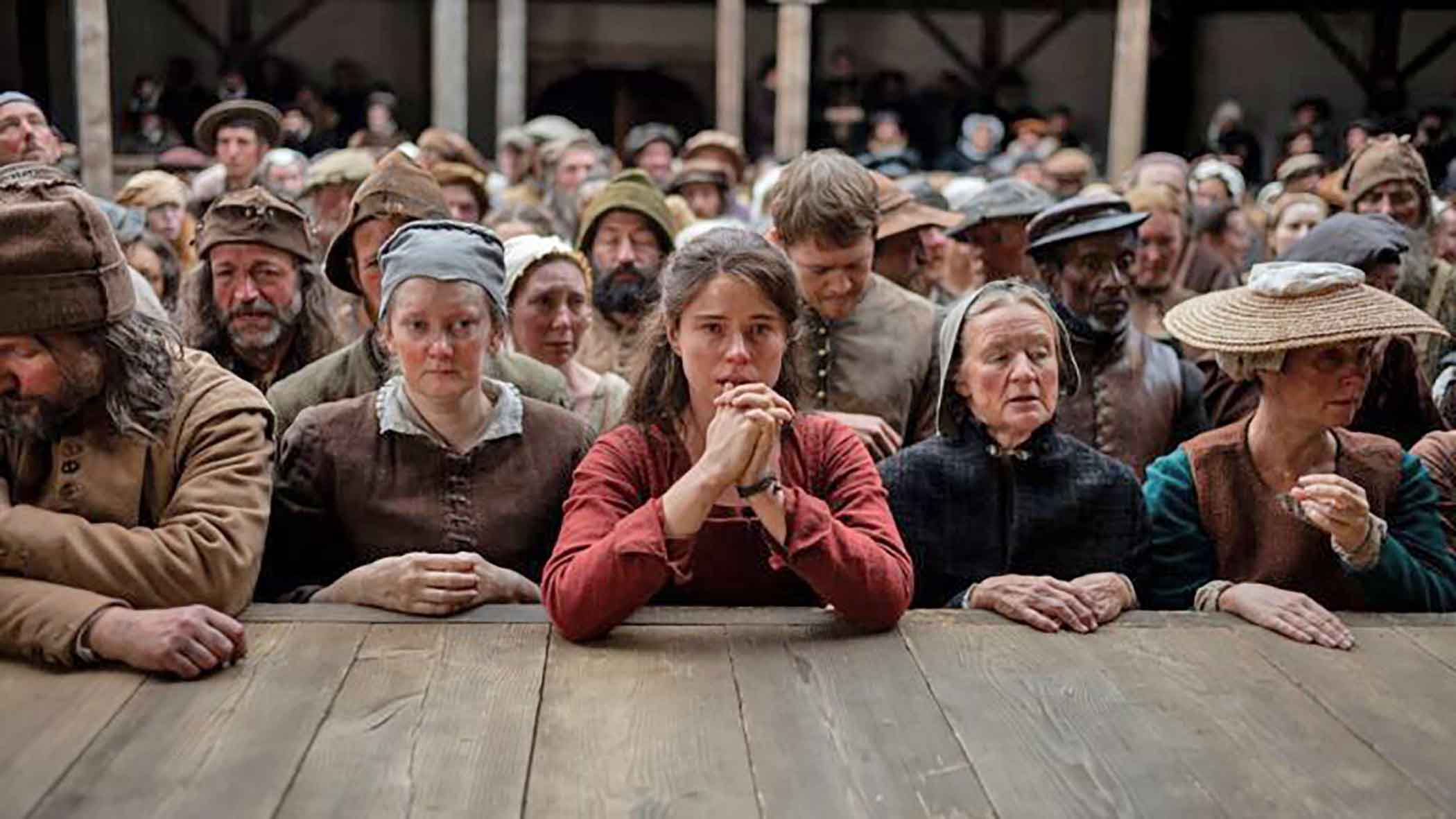
Videos released online have shown the cast and crew joyfully busting a move on set to Rihanna’s “We Found Love” in a moment of shared catharsis. Watching it feels like uncapping a bottle of pure joy.
“It really worked,” Gold smiles. “It really gets it out of your head and out of your body and gets you back to yourself. The whole thing about the film’s story is about the power of the collective to help us. That’s what the making of the film was like. People were so in it together and so collaborative. It really was an incredible joined-up community.”
So, how does one get into casting? For Domingues, he can trace it all back to a childhood memory in Brazil.
“When I was fifteen, I took the train on Central Station — the same Central Station of a Walter Salles movie from the ‘90s — every day to go to school,” recalls Domingues. “And there I see many kinds of different people because it’s a place in Rio de Janeiro where many migrants and many working-class people’s lives cross through, because it’s a very central place. And I remember reading Joaquim Maria Machado de Assis, the Brazilian author, taking the train, reading. I’m looking for the 19th century and seeing the faces of the train. And I don’t know, I guess that this year was very important for me, to understand humanity, and different kinds of human expressions, and also, the possibilities of faces and people.”
Kulukundis’s own mother was a performer, giving her firsthand experience in the world of filmmaking. “My mom was, in a weird way, a struggling actress, and it made me very sensitive to what actors go through,” she says. “I’ve been going to plays and operas and movies since I was three years old. My mother and my father just loved art. His favorite actor was Leslie Howard. Most people are like, ‘Who?’”
Venditti, who is a filmmaker herself, had a more roundabout path to her position. After releasing her directorial debut, a documentary called Billy the Kid in 1998, she met Josh for the first time, but also made another surprisingly significant connection.
“The reason why I started casting is because I had made a documentary, and Ryan Gosling saw it, and he called me and was like, ‘I love the way that you see the world. I want to work with you,’” Venditti reveals. “I cast his first directorial film, Lost River, and that was mind-blowing to me. I think just having people support me, and help me realize that I see the world in this unique way, and that they see value in it — I needed that in the beginning.”
Gold’s origin story started about thirty-five years ago when she worked on a commercial with director Mike Leigh. Based on their instant chemistry, Leigh invited her to be a part of his 1999 musical comedy Topsy-Turvy.
“Working with him was an incredibly life-changing thing,” the casting director reminisces. “It taught me so much about acting: how to acquire loads of knowledge, and to just keep looking. You just have to keep soaking it all up, thinking about it.”
She adds, “Basically, I just think about actors and acting nearly all the time.” ❖
The 98th Academy Awards air live on ABC and stream on Hulu on Sunday, March 15th at 7 p.m. ET/4 p.m. PT from the Dolby Theatre in Hollywood.