




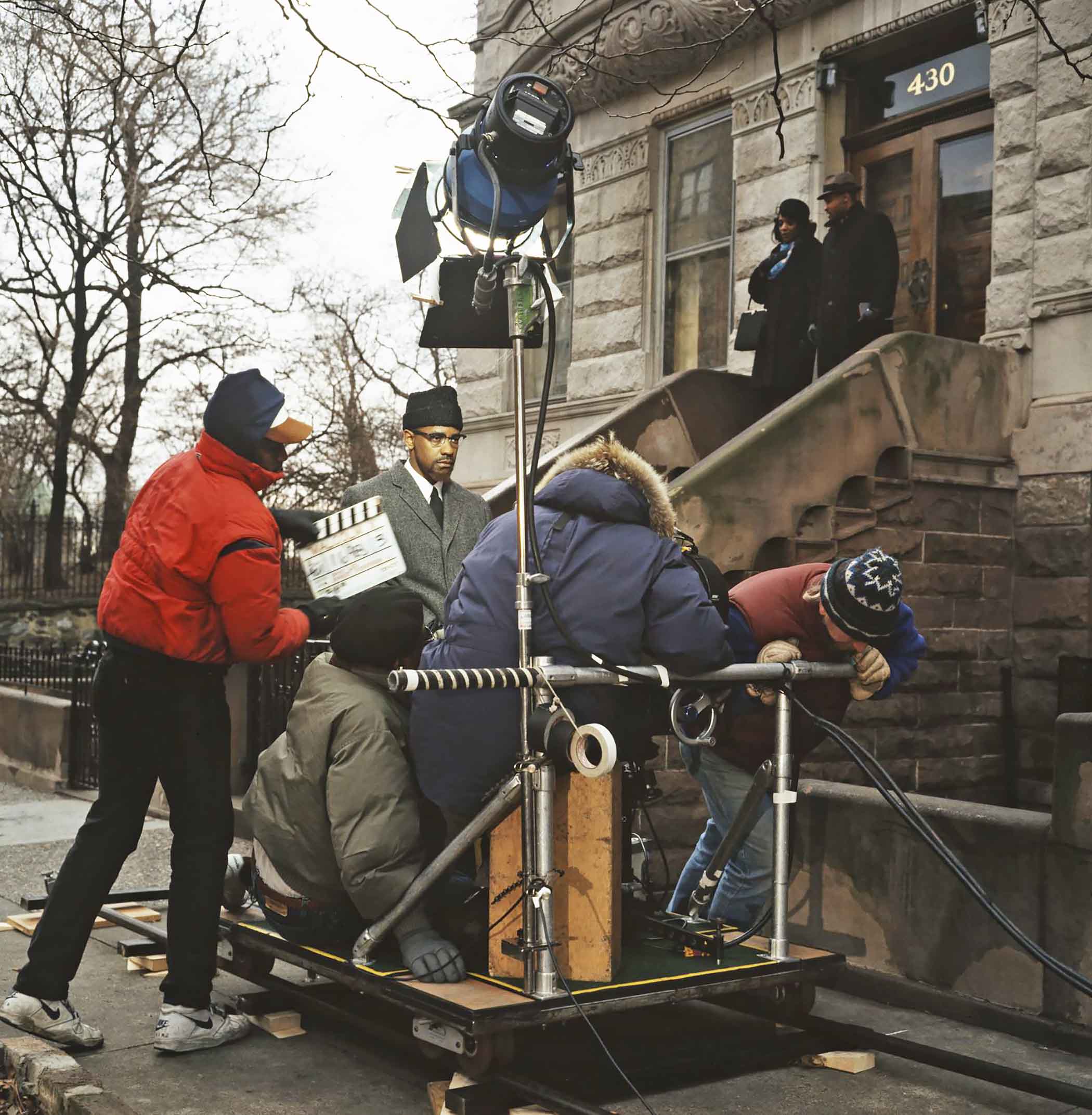
The Tribeca Film Festival was established in 2002 by Robert De Niro and other cinephiles as a way to help reboot Lower Manhattan after the 9/11 attacks. Accordingly, this year represents the gathering’s silver anniversary. One way to celebrate movies in the Big Apple is to join a discussion about the nitty-gritty (often in the literal sense) of making movies on location in a city that’s tough enough to navigate, even without the tumult of lights, cameras, and actors.
Distilling a fascinating oral history from over 150 interviews of techs and craftspeople, Michael Lee Nirenberg’s Cinematic Immunity is as compelling as the films and TV shows they’re all talking about. Early on, we get the tale of a janitor sweeping up on the set of The Jackie Gleason Show, which ran from 1952-70: Just as the On Air sign was about to light up, the old man dropped dead. These were the days of live broadcasts, so his body was dragged behind the set until the show wrapped. Nirenberg writes, “Despite the glut of information that purportedly tells us how movies are made, the dead janitor story gets at the essence of this thing, beyond the technical, the budgetary, and the glamorous.”
Indeed, there is not much glamour here; instead, the reader gets a dose of high-octane reality. As Chris Soldo, an assistant director, told Nirenberg, “Filmmaking isn’t antiseptic. Filmmaking is sloppy and challenging and difficult and full of adjustments and mishaps due to just being in the real world. Not to say you can’t make a good studio movie, but it’s just something for me about the energy about working on New York City streets that is just sort of unparalleled.”
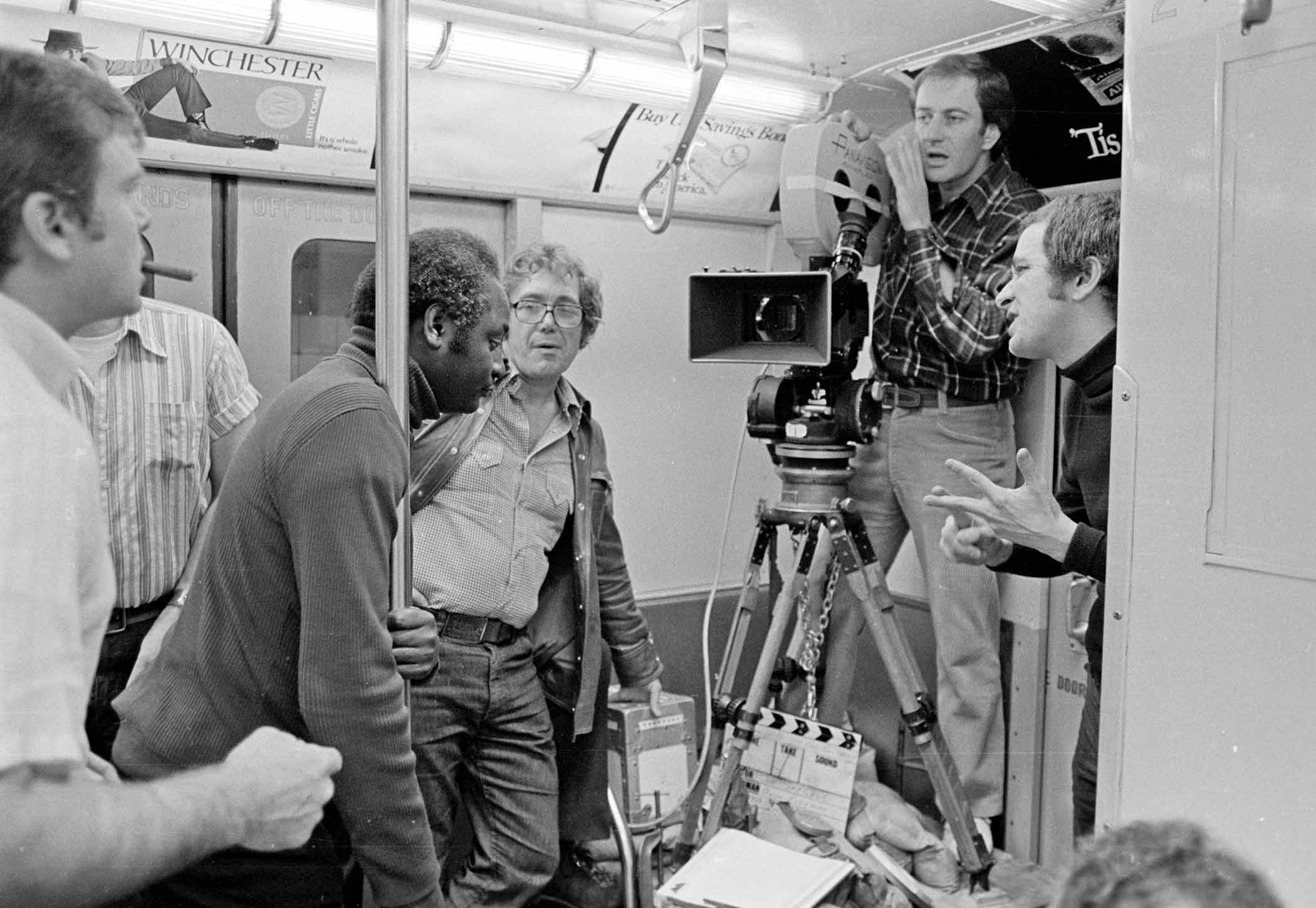
One example of that street energy comes from prop master Bill Kane’s tale about his work on the 1970 Jack Lemmon film The Out-of-Towners:
Oh, geez. Jack was great. Sandy Dennis, she was great. We worked a lot at night at Central Park.
One of the big effects was Jack standing on the manhole cover — when it started rumbling and he jumped off and it exploded, flew up in the air. I had fake manhole covers made up out of wood, and then the impressions, plastic impressions that I put over the wood, and then the only thing that scared the hell out of me was we put the air cannon in the subway underneath the manhole cover and no problem — no problem — no problem until I ignited it and it went so far up in the air. I go, “Oh shit.
I hope it doesn’t come down and hit him on the head.” We were lucky. It just fell off onto his side.
Cinematic Immunity (the title derives from an industry term describing the sense film crews have of being able to get away with practically anything to get the shot — blocking sidewalks and traffic, setting off pyrotechnics, raining down plastic snow in Little Italy during the summer) covers the film scene in New York from the 1954 classic On the Waterfront through such cultural touchstones as The Taking of Pelham One Two Three, The Godfather, Saturday Night Fever, Sophie’s Choice, Pee Wee’s Playhouse, Goodfellas, and The Sopranos, to list a very few.
This Friday, June 5, as part of the Tribeca Film Festival’s 25th anniversary celebration, Nirenberg will discuss his book and take part in a Q&A at the New Amsterdam branch of The New York Public Library. Nirenberg directed the documentary Back Issues: The Hustler Magazine Story, as well as two other films, and for over a decade has worked as a scenic artist and overseer of the scenic crew for Law & Order: Special Victims Unit. If anyone knows where the cinematic bodies are buried, he does. ❖