Is Americas last cowboy icon prospecting for more Oscar gold? Taking for his map an original screenplay by British docu-dramatist Peter Morgan (The Queen, Frost/Nixon), Eastwood rides a sleepy burro deep into Iñárritu territory. Multiple story lines cross international borders to mix personal tragedy with post-9/11 existential terror: Hereafter is a mawkish mondo mistico, obvious, schematic, and sometimes subtitled.
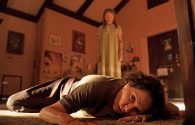
As a movie, Hereafter peaks five minutes in as a frugally staged tsunami arrives on a bright blue morning to trash some paradisiacal Pacific island beach. What follows is a lugubrious tale of wonderment: An attractive French telejournalist (Cécile de France) parses her near-death experience in Hawaii, while a painfully cute 12-year-old British schoolboy (George McLaren) with a substance-abusing mum suffers a terrible loss, and a depressed, Dickens-loving psychic named George (Matt Damon, always game) wrestles with his occult power to read minds and channel the dead.
Its not a gift, its a curse! cries bashful George, around the time he fails to predict his layoff from the anonymous job hes taken in a Bay Area factory. That his mercenary big brother keeps insisting that Georges ESP is more like a meal ticket is a hilarious, inadvertent comment on the folks hoping that grief and loss will sell tickets to a supernatural heartwarmer like Hereafter. Among them, executive producer Steven Spielberg who, according to the press notes, read Morgans script and exclaimed, I know exactly who should direct thisits Clint. (The good news furnished by the notes is that Eastwoods follow-up project is more congenialnamely, a biopic of FBI director J. Edgar Hoover.)
Hereafter is not just a stretch for Eastwood, its a contortion. The irrationality of the premise is exceeded only by the strategic irrationalities of the plot. Clumsily self-inoculating against the charge of spiritual baloney-ism, the movie introduces a formerly atheist scientist (Marthe Keller) amassing anecdotal proof of life after death. The evidence is irrefutable, she assures the telejournalist while hinting darkly that an ill-defined religious conspiracy is preventing the happy news from reaching the rest of the planet. Meanwhile, the telejournalists snooty French publisher (a product of the Enlightenment, presumably) wants nothing to do with the potentially bestselling memoir shes written about her personal glimpse of eternity. He imperiously tells her to send the manuscript to America (and I know exactly who should direct . . .).
Eastwood may have gone over to the dim side, but, when it comes to the bottom line, no amount of bogus hocus-pocus is going to entirely cloud his mind. Hereafter ascetically eschews the expensive f/x that made The Lovely Bones so appalling. Heaven is presented as a bit of murky shadow play, Georges visions are momentary montage zaps, angels are signified by a simple, if portentous, pan upward into the sky. Hereafter may be New Age bushwa, but its also old-fashioned movie-making. Indeed, despite the plots dependence on someone Googling what happens when you die, Eastwood revels in anachronism by staging the dramatic climax at the London Book Fair.
Action bathed in soothing, solemnly banal music (composed by the director), Hereafter dawdles along for 129 minutes, stopping frequently to smell the roses and wonder, where do all the lonely people come from? Midway through, George enrolls in an Italian cooking course where hes partnered with the classs prettiest member (Bryce Dallas Howard). He may not get lucky, but we do. Howards desperate flirtation with the camera provides a welcome distraction. Her giggling, eye-batting, bracingly terrible performance breathes life into an otherwise moribund film.
A bad actor is rich, unique, idiosyncratic, revealing of himself, Jack Smith once wrote. Timothy Agoglia Carey (19291994), subject of a 10-day retrospective at Anthology Film Archives, was surely all of those things, but he was not exactly a bad actorthis Brooklyn-born, apparently self-taught Method man was more like a way of life.
A scary presence onscreen, Carey was an imposing palooka prone to upstaging fellow cast members by artfully flinging his body around the set. He had a shambling, sleepy-eyed stance and the grinning volatility of a barroom brawler, playing tough guys, lunatics, and chortling combinations of the twoalthough his career role was as a whimpering coward. As a performer, Carey was unafraid to make a spectacle of himself. His earliest claim to fame was as a member of Lee Marvins motorcycle gang in The Wild One(1953), spontaneously opening a beer bottle and surprising Marlon Brando, the grand master of on-camera improvisation, with a shower of suds.
However pissed, Brando did employ Carey again in his sole directorial effort, One-Eyed Jacks (1961)or maybe it was Stanley Kubrick, the projects original director. Kubrick had used Carey twice before to tremendous effectas the racetrack hit man in The Killing (1956), enthusiastically primed to assassinate a horse and, even more memorably, as one of the condemned soldiers in Paths of Glory (1957). Unfairly sentenced to death, Carey steals the movie with his smirky drawl, inappropriate giggles, cud-chewing line reading, and sobbing cri de coeur: I dont wanna die!!!!!! This embodiment of pure, hysterical fear made Carey an underground hero and, seven years later, inspired Esquire to run his picture opposite John Waynes as a paradigm of the so-called New Sentimentality: A minor character actor who manages to excite us in a personal way is a real celebrity.
Join My Voice Nation for free stuff, film info & more!