SEVEN DECADES
A Monument to a Corrupt POTUS – 1977 Version
by Howard Smith & Brian Van der Horst
VOICE CHOICE
‘Louder Than Guns’ Follows a Musician and a Journalist as They Seek Common Ground to End Gun Violence
by Laura Bell
A Government Show Trial in 1971 Echoes Trumped-Up Charges Now
by Edwin Kennebeck
For May Day 2026, Join Workers Uniting – and Partying – Against Fascism
BOOKS
‘The Society of the Screen’ Spotlights a Prophet of Tech Anxiety
by R.C. Baker
FILM
Review: ‘Lee Cronin’s The Mummy’ is Not Really a Mummy Movie, But Blumhouse Couldn’t Care Less
by Michael Atkinson
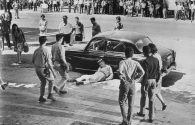
When the Pentagon Screened ‘The Battle of Algiers’
Onlyfans
Originally published: December 30, 2003
March 2, 2026
Originally published: November 24, 2015
Remembrance
by J. Hoberman
September 17, 2025
THE FRONT ARCHIVES
by Barry Michael Cooper
Originally published: December 1, 1987
VOICE OF THE AGES
January 22, 2025
FILM ARCHIVES
August 5, 2024