We Are Proud to Present...: From Cow Costumes to Genocide

Soho Rep mounts Jackie Sibblies Drury's take on history and theater

What’s in a name? Well, in the case of Jackie Sibblies Drury’s We Are Proud to Present a Presentation About the Herero of Namibia, Formerly Known as South-West Africa, From the German Sudwestafrika, Between the Years 1884-1915, now playing at Soho Rep: Plenty. Not only is it a title to make the obsessive Twitterer weep, but it also captures the difficulties, embarrassments, and dangers to engaging—theatrically or otherwise—with history, particularly its more fraught passages.

Acting troupe meets colonialism
Julieta Cervantes
Acting troupe meets colonialism

Details

We Are Proud to Present a Presentation About the Herero of Namibia, Formerly Known as South-West Africa, From the German Sudwestafrika, Between the Years 1884-1915
By Jackie Sibblies Drury
Soho Rep
46 Walker Street
212-941-8632, sohorep.org

Related Content

More About

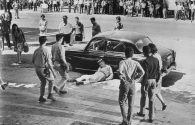
During its colonial period, Namibia witnessed a slaughter in which German incomers executed as many as 80 percent of the native Herero tribespeople. “A German genocide,” one character in We Are Proud describes it, “a rehearsal Holocaust.” A colleague feels moved to contradict him. “It wasn’t a rehearsal,” he says.

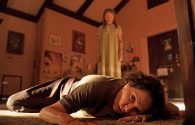
The piece takes place in the Soho Rep space emptied of its risers and stripped to bare boards and sound baffling. Here, six actors—three white, three black—led by Quincy Tyler Bernstine, have gathered to create the titular show. After a brief overview, enlivened by a genuinely horrible cow costume and sub-Brechtian mime, the players reconvene around folding tables to nibble rice cakes, read source material, and decide how best to present the terrible history they have chanced on via Wikipedia searches.

In pursuit of this, they improvise, take dance breaks, and read aloud letters from German soldiers—the only documentary evidence, as records of the Herero haven’t survived. Drury and director Eric Ting score some cheap and amusing shots at actorly processes and pretensions, particularly a tendency to use volatile material as an opportunity for personal growth. “I was making the part my own,” says one actor, defending a series of appalling choices.

The script also acts several pertinent questions of documentary drama and of theater more generally: Who has the right to tell which stories? How do you create a truthful narrative in the absence of evidence? Is it right or wrong to stage atrocities at all?

The play chugs along amusingly enough until plot and performances take a violent turn. Drury doesn’t entirely earn this ending; the slide from Namibia’s racial horrors to our own country’s history of violence against blacks seems insufficiently considered. But the play’s dramaturgy demands an extreme closing, and you can’t fault her and Ting for attempting one.

If the ending really worked, if audiences felt more drawn in by it, it would render the play even more uncomfortable. After all, We Are Proud offers the dark suggestion that to engage too fervently with past cruelties—in whatever form—is to be transformed and tainted by them. By confronting brutality—as playmakers, as spectators—we risk becoming brutal ourselves.

 
My Voice Nation Help
0 comments
 

New York Event Tickets
©2013 Village Voice, LLC, All rights reserved.
Browse Voice Nation
  • Voice Places New York

    Voice Places

    Find everything you're looking for in your city

  • Happy Hour App

    Happy Hour App

    Find the best happy hour deals in your city

  • Daily Deals

    Daily Deals

    Get today's exclusive deals at savings of anywhere from 50-90%

  • Best Of

    Best Of...

    Check out the hottest list of places and things to do around your city